Insurance coverage in a Texas truck accident case is often made up of several policies. A trucking company may carry a primary policy along with excess or umbrella coverage, so the total amount available can depend on how those policies work together.
Many interstate trucking companies must meet federal insurance minimums, while Texas has separate requirements for some intrastate carriers. In serious crash cases, additional coverage may apply above those minimum amounts.
The primary policy usually comes first, followed by any excess or umbrella policies that apply. Understanding each layer helps show how much insurance may be available to cover a claim, and it is one of the first questions a Houston truck accident lawyer works to answer.
Key Takeaways About Truck Accident Insurance Policy Limits
- Trucking companies often carry more than one insurance policy, stacked in layers above the federal minimum.
- A primary policy pays first, and excess or umbrella policies generally respond after the underlying coverage is reached.
- The total coverage available may be far larger than the first policy an insurer discloses.
- Finding every layer of coverage is often important to the value of a catastrophic truck accident claim.
How do truck accident insurance policy limits work in Texas?
Truck accident insurance policy limits in Texas often go far beyond the federal minimum because trucking companies commonly carry layered coverage. A primary policy pays first, then excess and umbrella policies stack above it, so the total money available in a serious crash may be much larger than a single policy suggests.
Why Do Trucking Companies Carry More Than One Insurance Policy?
Trucking companies carry more than one insurance policy because a single serious crash can cost more than any one policy covers.
Federal law sets a minimum, but that minimum rarely covers the full cost of a catastrophic injury. Layered coverage exists to protect the company from claims that exceed the primary policy.
The layers stack in a set order, and each one has a role. Knowing the order is how an injured person understands what may be available.
- The primary policy pays first, up to its own limit.
- An excess policy generally responds after the primary coverage is reached.
- An umbrella policy may add another layer above the excess.
- Other policies, held by different companies, may apply as well.
Each layer sits above the one before it, which is why a claim worth more than the primary limit is not automatically capped there. The coverage may keep going as long as the layers do.
What Is the Minimum Insurance a Texas Trucking Company Must Carry?
For many for-hire interstate motor carriers hauling nonhazardous property, the federal minimum carriers must carry is $750,000.
That figure comes from the Federal Motor Carrier Safety Administration (FMCSA), and higher minimums apply to trucks carrying hazardous materials. The minimum is a floor.
Federal financial responsibility rules appear under 49 CFR Part 387. The rules require covered carriers to prove they can pay up to the minimum, often through insurance.
Carriers that operate only within Texas fall under separate state financial-responsibility rules, which may set different minimums.
The federal minimum matters for a specific reason in a serious case. A catastrophic injury, with lifetime medical care and lost earning capacity, may cost far more than $750,000, which is exactly why the layers above the minimum become the center of the claim.
What Is the Difference Between Primary, Excess, and Umbrella Coverage?

Primary, excess, and umbrella coverage are three layers that respond in sequence, each generally after the coverage below it is reached.
The primary policy is the first to pay. Excess coverage sits directly above it. In Texas commercial trucking, an umbrella policy may add a further layer above that.
The differences between the layers decide the order and the amount each one pays. The table below lays out how they stack.
| Coverage layer | When it pays | What it does |
| Primary policy | Pays first, from the first dollar of a covered claim | Covers losses up to its own limit |
| Excess policy | Responds after the primary coverage is reached | Adds a defined layer of coverage above the primary |
| Umbrella policy | Generally applies above specified underlying coverage, subject to its terms | May add broad coverage across several underlying policies |
| Other applicable policies | Depends on the party and the facts | May bring separate coverage from a different company |
Reading these layers in order is how the full coverage picture comes together. A claim that stops at the primary policy leaves the excess and umbrella layers untouched, along with the money they hold.
How Does an Injured Person Reach the Excess and Umbrella Layers?
An injured person reaches the excess and umbrella layers once the claim rises past the coverage beneath them.
Excess and umbrella policies generally apply after the required underlying coverage reaches the amount stated in the higher policy. The exact trigger depends on the terms of each policy.
Reaching the higher layers takes proof that the claim exceeds the layers beneath them. Building that proof is central to any excess insurance truck accident claim.
- Documenting the full extent of the injury and its lifetime cost of care
- Showing that the losses exceed the primary policy limit
- Identifying every excess and umbrella policy that applies
- Presenting a claim large enough to reach the higher layers
Each step moves the claim up the stack toward the coverage that can actually fund a catastrophic injury. Without that proof, the higher layers stay out of reach even when they exist.
Why the Size of the Claim Controls Which Layers Apply
The size of a claim determines how far up the coverage stack it reaches, because each layer responds only when the claim grows past the layer below.
A modest claim may resolve within the primary policy alone. A catastrophic claim may climb through the excess and into the umbrella coverage.
That link between claim size and coverage layers is why full documentation of a serious injury matters so much. Undervaluing the injury early can leave a claim stranded in the primary layer, never reaching the coverage that could pay for it.
What Other Policies Might Apply in a Texas Truck Accident?
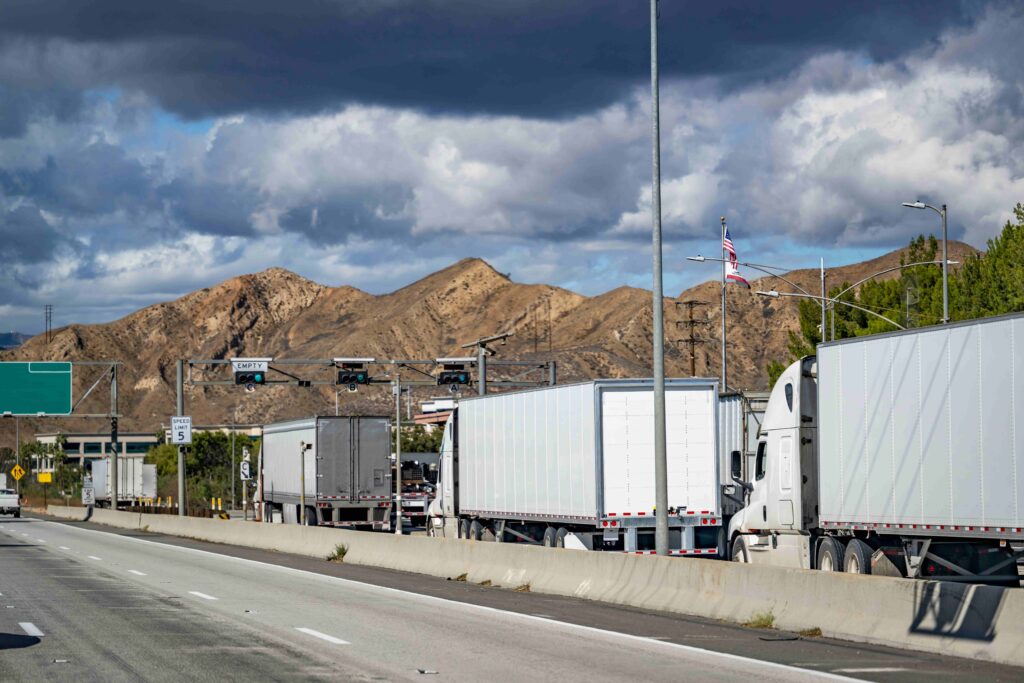
Other insurance policies beyond the trucking company's own coverage may apply in a Texas truck accident, depending on who was involved.
A single crash can bring in policies held by several different companies, each adding to the coverage available. Finding them all is part of building the claim.
Commercial trucking runs on a chain of companies, and more than one may carry insurance that applies. The policies that sometimes come into play include:
- A separate policy held by the owner of the trailer
- Coverage carried by a freight broker or shipper, in some cases
- A policy held by a maintenance or repair contractor
- The injured person's own underinsured motorist coverage, depending on how UM/UIM coverage stacks
Each additional policy may expand the pool of money available to a seriously injured person. A federal endorsement known as the MCS-90 may also come into play, though it functions as a guarantee of payment to the public rather than added coverage for the carrier.
Sorting out which policies apply is a detailed part of a commercial truck claim.
How Can NMW Law Firm Find Coverage a First Offer Hides?
NMW Law Firm finds hidden coverage by looking past the first policy an insurer discloses and pressing for the full layered structure behind it.
Insurers do not always volunteer the excess and umbrella policies sitting above the primary layer. Finding every applicable policy can be especially important in a catastrophic injury claim.
That work matters most in the largest cases, where the injury costs more than the primary policy alone can pay. A claim built only on the disclosed policy may settle for a fraction of what the full stack could cover.
Why This Skill Decides Catastrophic Cases
The strength of a catastrophic truck accident claim often depends on whether every applicable policy comes to light. Our attorneys have recovered over $200 million for injured Texans, and because every case turns on its own facts, no past result promises a future one.
The team carries more than 70 years of combined experience across Texas personal injury and commercial trucking claims, and Managing Partner Nick Wills leads the practice.
Most of our clients reach us through a referral from their treating doctor, which keeps the medical proof and the coverage work moving together.
FAQs for Truck Accident Insurance Policy Limits in Texas
How much insurance do trucking companies carry in Texas?
For many for-hire interstate carriers hauling nonhazardous freight, the federal minimum is $750,000. Other carriers may face different minimums based on their operations, cargo, and whether they run interstate or only within Texas.
Many carriers hold far more through excess and umbrella policies stacked above the minimum.
Can I recover more than the trucking company's primary policy limit?
Yes, you may recover more than the primary policy limit if the trucking company carries excess or umbrella coverage above it.
Those higher layers generally respond after the underlying coverage is reached. Getting to them requires showing that your losses exceed the primary policy.
How do I find out how many insurance policies apply to my crash?
You find out how many policies apply through the disclosures and records a lawyer requests during a truck accident claim. Insurers do not always volunteer excess and umbrella policies. Pressing for the full coverage structure is part of the early work on a serious case.
Does more insurance coverage mean my case is worth more?
No, more available coverage does not by itself raise the value of your case, because truck accident case value depends on your actual losses. Insurance limits may cap what a particular policy will pay, but they do not by themselves determine the value of the claim or every source of recovery.
A large injury with adequate coverage behind it is what supports a large recovery.
How long do I have to bring a truck accident claim in Texas?
Two years from the date of the crash is the general deadline to bring a truck accident claim in Texas, under Section 16.003 of the Texas Civil Practice and Remedies Code. Acting early helps preserve the records that reveal the full coverage structure.

Find Out How High the Coverage Stack Really Goes
The number an insurer puts in front of you early is often only the bottom of the stack. A primary policy limit can look like the whole story when the excess and umbrella layers above it hold far more, quietly, until someone asks the right questions.
For a family facing a lifetime of care after a catastrophic crash, the difference between the disclosed policy and the full coverage tower is the difference between a settlement that runs out and one that lasts.
If a serious truck crash has left you or someone you love with lasting injuries, NMW Law Firm can work to map every layer of coverage that applies. Call (713) 714-2563 for a free case review, and we will look at how high the stack really goes.