Hazmat truck spill liability in Texas involves a different legal framework from a standard commercial trucking claim.
Regulations issued by the Pipeline and Hazardous Materials Safety Administration and the Federal Motor Carrier Safety Administration impose separate duties on the shipper that classifies and packages the chemical, the carrier that transports it, the crew that loads it, and the driver who operates the vehicle.
When a tanker ruptures or a cargo container leaks on a Houston-area highway, any of these parties may bear independent liability for the resulting injuries.
The Houston area faces heightened exposure because refineries and chemical plants in Pasadena, Deer Park, Texas City, and Baytown ship hazardous materials daily along Highway 225, Interstate 10 East, and the Beltway 8 industrial corridor.
Those harmed are not limited to drivers involved in a crash. Residents exposed to vapor clouds, workers at nearby job sites, and motorists trapped behind an overturned tanker may have viable claims even without physical contact with another vehicle.
Chemical-exposure injuries may not appear for days or weeks. This delayed onset can cause victims to overlook a potential claim, making prompt investigation critical before air-quality data, environmental evidence, and carrier records are lost or degraded.
What is the liability for tanker and hazmat spills in Texas truck accidents?
Hazmat truck spill liability in Texas may fall on the truck driver, the motor carrier, the shipper, or the company that loaded the cargo, depending on who violated federal hazardous materials transport regulations. Liability often extends to multiple parties because federal law imposes distinct duties on each entity involved in transporting dangerous chemicals.
Key Takeaways About Hazmat Truck Spill Liability in Texas
- Federal hazardous materials regulations impose separate legal duties on the shipper, the carrier, and the driver, meaning liability in a Texas chemical spill truck accident may extend to multiple parties.
- Chemical exposure injuries often develop days or weeks after the initial contact, which means you may have a compensable injury even if you felt fine at the scene.
- The Pipeline and Hazardous Materials Safety Administration (PHMSA) and the Texas Commission on Environmental Quality (TCEQ) both regulate hazmat transport and spill response, and violations of their rules may support negligence claims.
- Carriers transporting hazardous materials in Texas must carry higher liability insurance minimums than standard freight carriers under federal law.
- Evidence in hazmat spill cases degrades rapidly because cleanup crews remove chemical residue, environmental conditions change, and air quality data has limited retention windows.
Who Bears Liability When a Tanker Spills Hazardous Materials in Texas?
Liability for a hazmat truck spill in Texas may fall on the driver, the motor carrier, the shipper, the cargo loader, or some combination of all four.
Federal hazardous materials transportation law assigns distinct responsibilities to each party in the chain, and a failure at any link may give rise to a separate negligence claim.
The Shipper's Role in a Chemical Spill
The company that ships the hazardous material bears responsibility for properly classifying the substance, selecting the correct packaging, labeling the container accurately, and preparing the shipping papers that travel with the cargo.
The Pipeline and Hazardous Materials Safety Administration (PHMSA), a division of the U.S. Department of Transportation (DOT), governs these obligations under 49 CFR Parts 171 through 180.
A shipper that mislabels a corrosive chemical as a less dangerous substance, or that uses packaging rated below the material's hazard class, may bear direct liability if the cargo leaks during transport.
In Houston-area hazmat spill litigation, shipper conduct may become an important issue when the evidence indicates that a chemical was misclassified, improperly packaged, mislabeled, or accompanied by inaccurate shipping documents.
The Carrier and Driver's Obligations
The motor carrier must verify that its drivers hold the proper hazardous materials endorsement (H endorsement) on their commercial driver's license.
The carrier also must confirm that the vehicle meets DOT specifications for the class of material being transported and that the driver has completed hazmat training required under 49 CFR §172.704.
The driver bears personal responsibility for conducting pre-trip inspections specific to hazmat loads, maintaining proper placarding on the vehicle, and following prescribed routes.
A tanker driver on I-10 East who fails to inspect valve seals before departure, and whose cargo leaks across three lanes of highway traffic, may face individual liability alongside the carrier.
What Regulations Govern Hazmat Transport on Texas Roads?
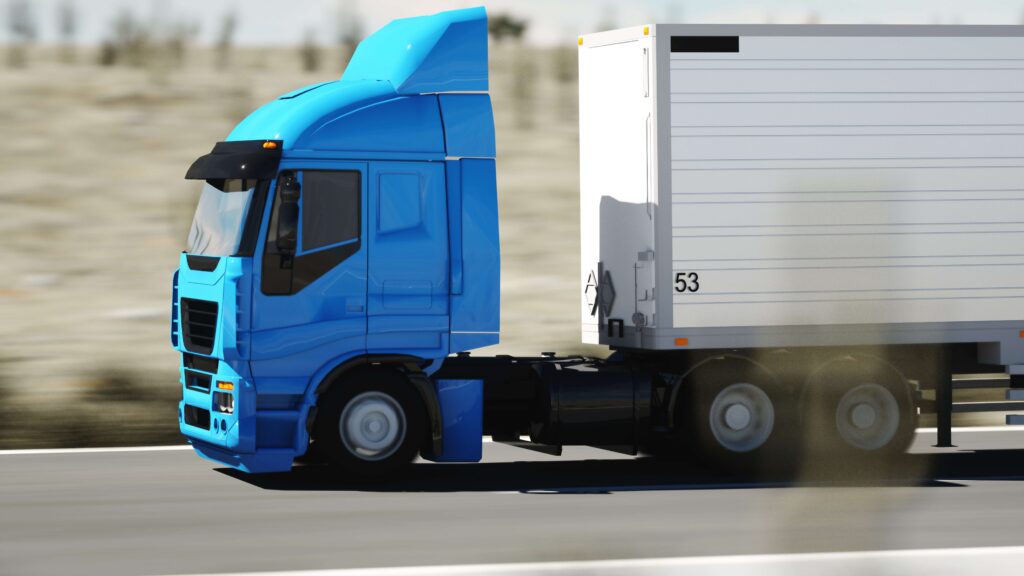
Federal and state regulations create a two-layer enforcement framework for hazmat transport in Texas. PHMSA sets the federal floor, and the Texas Commission on Environmental Quality (TCEQ) adds state-level spill reporting and environmental cleanup requirements.
Federal Hazmat Regulations Under PHMSA
PHMSA regulations under 49 CFR Subchapter C cover hazard classification, packaging standards, labeling, placarding, shipping documentation, and emergency response information.
These rules apply to every entity that offers hazardous materials for transport, carries them, or handles them during loading and unloading.
Federal Motor Carrier Safety Administration (FMCSA) rules overlay the PHMSA framework with carrier-specific requirements.
Carriers transporting certain hazardous materials must carry higher liability insurance minimums under 49 CFR §387.9, with amounts reaching $1 million or $5 million depending on the material classification.
TCEQ and State-Level Spill Response
TCEQ regulates environmental cleanup obligations when a hazmat spill contaminates soil, groundwater, or air in Texas.
Spills above reportable quantities trigger mandatory notification to TCEQ and may also require reporting to the National Response Center, a federal reporting hub operated by the U.S. Coast Guard.
A carrier or shipper that fails to report a spill, delays cleanup, or allows contamination to spread beyond the immediate accident site may face both regulatory penalties and civil liability to people harmed by the expanded exposure.
In a Houston Ship Channel-area spill, TCEQ investigation and enforcement records may provide evidence relevant to a private injury claim, including reporting documents, sampling results, cleanup records, and regulatory findings.
What Types of Injuries Result From Chemical Spill Exposure?
Chemical spill exposure injuries range from acute respiratory distress at the scene to chronic conditions that develop weeks or months after contact.
The type and severity of injury depend on the specific chemical involved, the concentration and duration of exposure, and the route of contact (inhalation, skin absorption, or ingestion).
Hazmat exposure injuries that commonly appear in Texas tanker spill claims include:
- Acute respiratory damage from inhaling toxic fumes, including chemical pneumonitis and reactive airway dysfunction syndrome
- Chemical burns to the skin, eyes, or mucous membranes from direct contact with corrosive substances
- Neurological symptoms including headaches, dizziness, cognitive impairment, and peripheral neuropathy from exposure to certain solvents and industrial chemicals
- Organ damage to the liver, kidneys, or bone marrow from prolonged or high-concentration exposure
- Cancer risks associated with exposure to known carcinogens such as benzene, formaldehyde, and vinyl chloride, which are transported regularly through the Houston petrochemical corridor
The delayed onset of many chemical exposure injuries creates a specific problem for building a legal claim. A person exposed to a vapor cloud on Highway 225 may feel mild irritation at the scene and develop serious respiratory symptoms two weeks later.
By then, the spill site has been cleaned, the air quality data may no longer be available, and the connection between the exposure and the symptoms requires medical documentation that the person may not have started gathering.
What Evidence Do Hazmat Spill Cases Require?
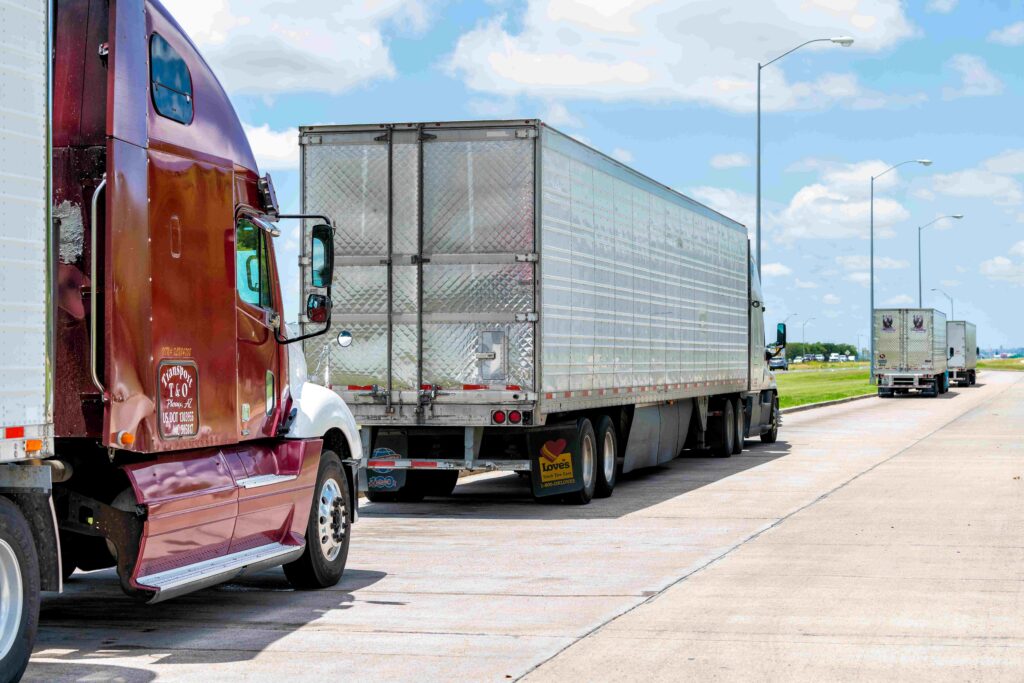
Hazmat spill claims in Texas require evidence connecting the chemical release to your specific exposure and linking that exposure to your medical condition.
Because cleanup crews work quickly to remove contamination, much of the physical evidence has a short lifespan.
The following table outlines the primary evidence categories in a chemical spill truck accident claim.
| Evidence Category | What It Shows | Where to Find It |
| PHMSA shipping papers and hazmat manifest | Identity of the chemical, hazard class, quantity, shipper, and carrier | Carrier records, first responder documentation, DOT inspection files |
| Air quality and environmental sampling | Concentration levels at the spill site and surrounding area | TCEQ records, EPA response data, private environmental consultants |
| Emergency response and cleanup records | Timeline of spill response, evacuation zones, decontamination procedures | Fire department reports, TCEQ incident filings, National Response Center logs |
| Medical records with exposure documentation | Symptoms, treatment, diagnosis, and causal link to the specific chemical | Treating physicians, toxicologists, occupational medicine providers |
| Driver and carrier compliance records | Hazmat endorsement status, training documentation, vehicle inspection history | FMCSA databases, carrier files obtained through discovery |
| Weather and dispersion data | Wind direction, temperature, and atmospheric conditions affecting vapor spread | National Weather Service archives, private meteorological analysis |
Why the First 72 Hours Shape the Entire Case
Hazmat spill evidence deteriorates faster than evidence in a standard truck crash. Cleanup crews remove chemical residue from the roadway within hours.
Air quality monitoring, if deployed at all, operates on limited timeframes. TCEQ incident reports capture a snapshot, but the underlying sampling data may not be retained indefinitely.
Contacting an attorney within the first few days of a hazmat exposure gives your legal team the opportunity to request environmental sampling data, preserve first responder records, and send spoliation demands to the carrier and shipper before their routine document cycles overwrite the relevant files.
Related Content
FAQs for Hazmat Truck Spill Liability in Texas
How long do I have to file a chemical spill injury lawsuit in Texas?
Texas applies a two-year statute of limitations to most personal injury claims, including chemical exposure cases, under Texas Civil Practice and Remedies Code §16.003.
The discovery rule may apply in cases where the injury was not and could not have been immediately known, potentially extending the filing deadline.
Because chemical exposure injuries may develop gradually, confirming when the limitations clock started running is a fact-specific question your attorney evaluates based on your medical timeline.
Does the trucking company carry extra insurance for hazmat loads?
Yes, federal law requires carriers transporting certain hazardous materials to carry higher liability insurance than standard freight carriers.
Depending on the material class, the minimum may reach $1 million or $5 million under 49 CFR §387.9. The higher policy limits reflect the greater risk hazmat transport poses and often mean more coverage is available to compensate injured parties.
What if I was exposed at work, not on the road?
You may have both a workers' compensation claim and a separate third-party personal injury claim against the carrier, shipper, or other negligent parties.
Workers' comp covers workplace injuries regardless of fault, but it does not compensate for pain and suffering. A third-party claim against the trucking company or shipper may recover damages that workers' comp does not.
Who cleans up a hazmat spill, and does that affect my claim?
Responsibility for reporting, containing, and cleaning up a hazmat spill depends on who owned, controlled, transported, or caused the release, as well as the state and federal laws that apply.
The cleanup process itself generates documentation that may support your claim, including environmental sampling results, decontamination timelines, and cost records.
If the responsible party delayed cleanup and your exposure continued longer as a result, that delay may increase their liability.
Do I need a special type of lawyer for a chemical spill truck accident?
Hazmat spill cases sit at the intersection of commercial trucking law, environmental regulation, and toxic tort litigation.
An attorney who handles standard auto accidents may not have experience with PHMSA compliance, TCEQ enforcement records, or the medical causation issues specific to chemical exposure.
A firm with a primary focus on commercial trucking litigation and access to toxicologists and environmental consultants is better positioned to handle these claims.
Protect Your Hazmat Exposure Claim Before the Evidence Disappears

Chemical spill evidence can disappear quickly. Cleanup may alter the scene, air quality data may be available only briefly, and shipping papers or hazmat records may be deleted unless they are preserved promptly. A timely legal hold helps prevent the carrier from controlling which records remain available.
NMW Law Firm handles hazmat and tanker spill claims as part of our primary focus on commercial trucking litigation.
With over $200M recovered across more than 3,000 cases and 70+ years of combined team experience, we have worked with toxicologists, environmental consultants, and occupational medicine providers to build exposure claims from the chemical data up.
Past results do not guarantee a similar outcome.
Call our Houston office at (713) 714-2563 to discuss your chemical exposure and hear whether the facts support a claim. There is no cost for the initial review.