When an accident happens on or near the water, injured workers and passengers often face a legal question that most Texans never consider: which law governs the claim?
A worker injured on a supply vessel near Galveston Bay may pursue a maritime law injury claim in Houston, while a dock worker hurt on land at a warehouse near the port may rely on Texas personal injury law instead. Both situations involve injuries, but the legal rules differ significantly.
Clear knowledge of how maritime law and Texas personal injury law interact helps injured workers protect their rights and move forward after a serious accident. Contact a maritime accident attorney near you now for a free consultation about your case.
Get a Free ConsultationKey Takeaways: Maritime Law vs Texas Personal Injury Law in Houston
- Whether maritime law or Texas personal injury law applies to your case depends heavily on where and how your injury occurred. The difference can dramatically affect your compensation.
- Maritime law is federal law, meaning it overrides Texas state law when it applies, and it comes with its own set of rules, deadlines, and remedies unavailable in standard Texas personal injury cases.
- Houston's unique role as a major port and energy hub means a significant number of injury victims here may qualify under maritime law without realizing it.
- Injured workers covered by the Jones Act or general maritime law may have access to remedies like maintenance and cure that simply do not exist under Texas law.
- Working with an attorney who understands both legal frameworks is critical. Misidentifying which law governs your case can cost you your right to recover.
What Is Maritime Law and How Does It Differ from Texas Personal Injury Law?
Maritime law governs injuries and disputes that occur on navigable waters. These waters include oceans, bays, rivers, and waterways used for interstate or international commerce. Federal courts developed maritime law over centuries to regulate shipping, maritime employment, and vessel safety.
Texas personal injury law, by contrast, comes from state statutes and court decisions. That legal system handles accidents on land, including car crashes, workplace injuries, and premises liability claims.
Federal Jurisdiction vs. State Jurisdiction
Federal courts typically oversee maritime cases. Federal jurisdiction means federal law governs many legal standards, including negligence and available remedies.
Texas courts handle personal injury claims arising from accidents on land within the state. These cases follow Texas statutes, including the Texas Civil Practice and Remedies Code.
The Role of the High Seas and Navigable Waters
Location determines which law applies. Accidents occurring on navigable waters often fall under maritime law.
For example, a crew member injured aboard a vessel traveling through the Houston Ship Channel may pursue a maritime claim. A dock worker hurt on land at a warehouse near the port may rely on Texas personal injury law instead.
Key Federal Statutes That Govern Maritime Injury Claims
Several federal laws shape maritime injury litigation:
- The Jones Act
- The Longshore and Harbor Workers’ Compensation Act
- General maritime law developed through federal court decisions
Each statute provides different remedies depending on the worker’s role and the location of the accident.
How Texas Personal Injury Law Fills the Gaps
Texas law governs cases that fall outside maritime jurisdiction. A slip-and-fall accident at a port terminal or trucking yard near the port may proceed under state negligence law.
Texas statutes define liability, damages, and deadlines for these claims.
Who Does Maritime Law Cover in Houston?
Houston’s maritime workforce includes vessel crews, harbor workers, offshore energy employees, and recreational boat operators. Federal law classifies these individuals differently depending on their duties and connection to a vessel.
Seamen and Jones Act Eligibility
Seamen perform work that contributes to a vessel’s mission. Tugboat crews guiding ships through the Houston Ship Channel often qualify as seamen.
The Jones Act allows these workers to pursue claims against their employer when negligence contributes to an injury.
Longshoremen and Harbor Workers Under the LHWCA
Longshoremen load and unload cargo at ports. Harbor workers maintain docks and marine terminals.
The Longshore and Harbor Workers’ Compensation Act provides benefits similar to workers’ compensation for these employees.
Offshore Oil and Gas Workers
Many Houston workers travel offshore to platforms in the Gulf of Mexico. Workers who spend substantial time on vessels may qualify as seamen under maritime law.
Others working primarily on fixed platforms may fall under different federal statutes.
Recreational Boaters and Bystanders
Maritime law sometimes applies to accidents involving recreational vessels. A collision between boats in Galveston Bay may trigger maritime jurisdiction when navigable waters are involved.
Does Maritime Law Apply to Your Houston Injury Case?
Courts rely on several tests to determine whether maritime law governs a claim. These tests evaluate both the location of the accident and its connection to maritime activity.
The Navigable Waters Test
Courts examine whether the injury occurred on navigable waters. Navigable waters include the Houston Ship Channel, Buffalo Bayou, and nearby coastal areas used for commerce.
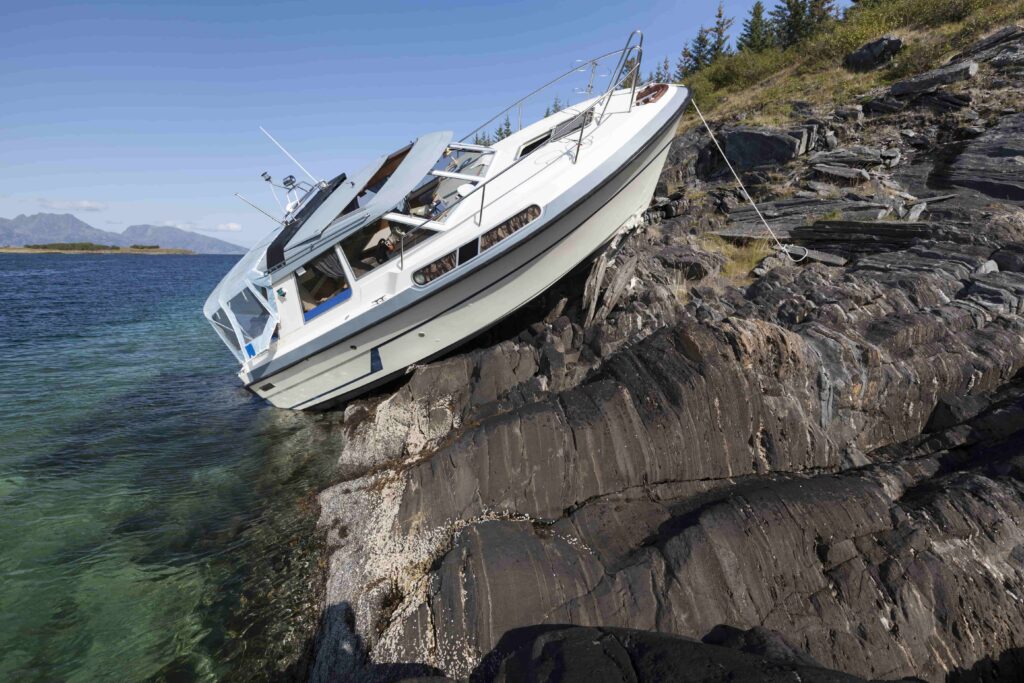
An accident occurring on a vessel traveling through these waterways often falls under maritime law.
The Substantial Nexus Test
Courts also examine whether the incident relates to traditional maritime activity. Vessel operations, cargo transport, and offshore energy work typically satisfy this requirement.
Injuries on the Houston Ship Channel — Which Law Applies?
The Houston Ship Channel sees heavy commercial traffic every day. Tugboats, cargo vessels, and tankers travel through the channel toward the Port of Houston.
A worker injured aboard one of these vessels may qualify for protection under maritime law.
Emergency medical care for injuries in this area often occurs at Houston Methodist Hospital in the Texas Medical Center.
When Texas State Law Applies Instead
Texas law may apply when injuries occur on land or in areas not considered navigable waters.
For example, a worker injured at a warehouse near the port may rely on Texas negligence laws rather than federal maritime statutes.
What Are the Main Legal Remedies Under Maritime Law vs. Texas Law?
Maritime law provides remedies that do not exist under Texas personal injury statutes. These remedies often focus on protecting seamen who spend extended periods working at sea.
Maintenance and Cure: A Maritime-Only Remedy
Maintenance and cure requires an employer to cover living expenses and medical treatment for an injured seaman.
Payments continue until the worker reaches maximum medical recovery.
Unseaworthiness Claims Under General Maritime Law
Vessel owners must maintain ships in safe working condition. Faulty equipment, poor maintenance, or unsafe working conditions may create liability.
An injured seaman may pursue an unseaworthiness claim when unsafe vessel conditions contributed to the injury.
Comparative Fault Rules: Texas vs. Maritime Standards
Texas law follows a modified comparative fault rule. A person who bears more than 50 percent responsibility for an accident cannot recover damages.
Maritime law often applies a more flexible comparative fault system that allows recovery even when the injured worker shares some responsibility.
Damages Available Under the Jones Act vs. Texas Civil Practice and Remedies Code
The Jones Act allows recovery for lost income, medical care, and pain caused by the injury.
Texas law provides similar remedies but does not include maritime benefits such as maintenance and cure.
What Are the Deadlines for Filing a Maritime Injury Claim in Texas?
Every injury claim must follow a statute of limitations. This legal term describes the deadline for filing a lawsuit.
Missing that deadline may permanently block recovery.
The Three-Year Statute of Limitations Under the Jones Act
Most Jones Act claims must be filed within three years of the injury. Workers injured on offshore vessels traveling to energy platforms often rely on this timeline.
Texas Personal Injury Statute of Limitations Under Tex. Civ. Prac. & Rem. Code § 16.003
Texas law generally allows two years to file a personal injury lawsuit. That shorter deadline applies to many accidents occurring on land near maritime facilities.
Statute of Limitations for General Maritime Law Claims
General maritime law also typically follows a three-year filing window. Different circumstances may adjust the deadline depending on the case.
Why Missing a Deadline Can Permanently Bar Your Claim
Courts enforce filing deadlines strictly. Once the statute of limitations expires, the injured person often loses the right to pursue compensation.
Early legal guidance helps preserve evidence and protect your claim.
Proving Negligence: Maritime Law vs. Texas Personal Injury Standards
Both maritime and Texas personal injury cases require proof of negligence. Negligence means someone failed to act with reasonable care.
However, the legal standards differ between the two systems.
The Featherweight Negligence Standard Under the Jones Act

The Jones Act uses a lower burden of proof for injured seamen. Even slight employer negligence that contributes to an injury may support a claim.
This standard reflects the dangers maritime workers face at sea.
Texas Negligence and Modified Comparative Fault Under Tex. Civ. Prac. & Rem. Code § 33.001
Texas law requires proof that the defendant’s negligence directly caused the injury.
Courts also evaluate each party’s share of responsibility when determining compensation.
How Evidence Is Gathered Differently in Maritime Cases
Maritime claims often involve vessel logs, safety records, and crew witness statements.
Investigators may also review maintenance reports and Coast Guard documentation.
The Employer's Duty of Care in Each Legal Framework
Employers must maintain safe workplaces whether the injury occurs at sea or on land.
Maritime law places strong responsibilities on vessel owners and operators to protect crew members working aboard ships.
Common Types of Maritime Injuries in Houston
Houston’s maritime environment creates many different injury scenarios. Offshore energy work, cargo transport, and recreational boating all carry unique risks.
Offshore Platform and Rig Accidents
Workers traveling to offshore drilling platforms often encounter heavy equipment and harsh weather conditions.
Injuries may include fractures, burns, and head trauma. Some injured workers receive treatment at HCA Houston Healthcare Clear Lake.
Cargo Loading and Unloading Injuries at the Port of Houston
Port workers frequently operate cranes, forklifts, and heavy cargo equipment.
Mechanical failures or unsafe cargo placement may lead to serious injuries.
Commercial Fishing and Vessel Crew Injuries
Crew members on fishing vessels sometimes work long shifts in rough waters.
Slippery decks, heavy nets, and moving machinery increase the risk of injury.
Drowning and Near-Drowning Incidents on Navigable Waters
Boating accidents sometimes lead to drowning or near-drowning incidents in Galveston Bay or nearby waterways.
Rapid medical response and emergency care improve survival chances in these situations.
How Our Firm Can Help
Maritime injury cases often involve unique legal rules. Our team at NMW Law helps injured workers evaluate their situation and determine which legal framework applies.
We approach each case with focus and dedication, working to protect the rights of workers and families affected by maritime accidents.
Determining Which Law Governs Your Case
Our attorneys review accident reports, employment records, and vessel details to identify the correct legal framework.
That evaluation often determines whether federal maritime law or Texas personal injury law applies.
Building a Strong Claim Under the Correct Legal Framework
Strong claims rely on evidence. We gather maintenance logs, witness statements, safety records, and medical documentation to support your case.
Our team builds each claim with careful preparation.
Navigating Federal Maritime Courts and Texas State Courts
Maritime claims may proceed in federal court, while Texas personal injury cases often remain in state courts.
Our attorneys handle litigation in both court systems.
Fighting for Maximum Compensation on Your Behalf
Our firm works to recover compensation that reflects medical expenses, lost income, and the long-term impact of your injury.
Every case receives attention and thoughtful legal strategy.
Frequently Asked Questions About Houston Maritime Accident Claims
Can I file a maritime claim and a Texas personal injury claim at the same time?
Some cases involve overlapping legal issues. Courts analyze the facts to determine which legal framework applies. In many situations, only one system governs the claim.
Does workers' compensation cover maritime injuries in Texas?
Traditional Texas workers’ compensation does not cover most seamen. Federal maritime statutes often provide benefits instead.
What if my injury happened partly on land and partly on the water?
Courts examine the location and connection to maritime activity. These factors determine whether maritime law applies.
How do I know if the vessel I was working on qualifies under maritime law?
Courts review the vessel’s purpose and the worker’s duties aboard it. Regular work connected to a vessel’s mission often qualifies.
What happens if my employer pressures me not to file a maritime claim?
Workers hold legal rights under federal law. Speaking with a knowledgeable attorney helps protect those rights.
Contact Our Houston Maritime Accident Attorneys Now

Maritime injuries often involve complicated legal questions about jurisdiction, federal statutes, and employer responsibilities. Prompt legal guidance helps protect evidence and preserve your ability to recover compensation.
Our team at NMW Law works with injured maritime workers across the Houston area. Years of experience with maritime claims allow us to evaluate whether federal maritime law or Texas personal injury law applies to your situation.
We listen carefully to your story, review the circumstances of your accident, and outline possible legal options. That conversation helps you decide the next steps for your recovery and your claim.
Contact our firm to request a free consultation and discuss your maritime accident case with our team.
Get a Free Consultation