Dangerous equipment, heavy cargo, shifting weather, and long hours on vessels create real risks in the maritime industry in Houston. An injured deckhand, roustabout, or tugboat crew member often has immediate concerns about medical care, lost income, and whether an employer will take responsibility.
Federal maritime law offers a powerful legal remedy called the Jones Act claim in Houston, which gives qualifying seamen the right to pursue compensation when employer negligence causes an injury. Unlike standard workers’ compensation systems, the Jones Act allows injured maritime workers to file a lawsuit directly against their employer.
Many offshore workers do not realize how strongly seaman status changes their legal rights. Workers who qualify may recover damages for lost income, medical treatment, and pain after a maritime injury. Houston’s busy maritime industry means these claims arise after incidents on offshore drilling vessels, tugboats operating along Buffalo Bayou, or supply vessels serving rigs off the Texas coast.
A worker injured on the job deserves clear answers and fair treatment. Contact a maritime accident lawyer near you now for a free consultation about your rights and options.
Get a Free ConsultationKey Takeaways: Jones Act Claims for Injured Maritime Workers in Houston
- The Jones Act gives qualifying seamen significantly broader legal rights than standard workers' compensation, including the right to sue their employer for negligence.
- Seaman status is not automatic. It must be established based on your connection to a vessel in navigation, and qualifying can dramatically change your legal options.
- Injured maritime workers in Houston may pursue multiple forms of compensation, including maintenance and cure, unseaworthiness claims, and Jones Act negligence damages.
- Texas state workers' compensation laws generally do not apply to Jones Act seamen, making federal maritime law the primary legal framework for these claims.
- Acting quickly is critical. The Jones Act has a three-year statute of limitations, but evidence and witness accounts can disappear long before that deadline.
What Is the Jones Act and Who Does It Protect?
The Jones Act allows a qualifying seaman to sue an employer when negligence causes injury. Unsafe training practices, defective equipment, understaffed crews, and poor supervision often contribute to maritime accidents.
Houston’s maritime activity stretches from industrial docks along the Houston Ship Channel to offshore drilling vessels in the Gulf. Workers injured while loading cargo, operating cranes, or handling mooring lines may qualify for legal protections under federal maritime law.
Seaman Status: The Key That Unlocks Your Rights
A worker’s legal classification determines which laws apply after an injury. Seaman status depends on the worker’s relationship with a vessel and how much time that worker spends contributing to the vessel’s operations.
Courts generally look for two factors:
- A worker contributes to the mission or function of the vessel
- The worker spends a substantial portion of work time on that vessel or fleet of vessels
Deckhands, engineers, cooks, and offshore service crew members often qualify.
How Qualifying Under the Jones Act Changes Everything
Seaman status opens the door to legal claims unavailable through traditional workplace systems. Injured maritime workers may pursue damages for employer negligence and unsafe vessel conditions.
Federal law also allows recovery for pain, suffering, and lost earning capacity. Those remedies extend beyond what many land-based workers receive after a job injury.
Do Houston Maritime Workers Qualify as Seamen Under the Jones Act?
Many workers across the Houston maritime industry assume they qualify for Jones Act protections. Courts, however, analyze specific facts about the worker’s job duties and vessel connection.
Houston courts regularly evaluate these cases because of the region’s large shipping and offshore energy sectors.
Common Workers Who May Qualify and Some Who May Not
Many maritime jobs meet the legal definition of a seaman. Examples include:
- Deckhands on tugboats moving cargo along the Houston Ship Channel
- Offshore supply vessel crew supporting Gulf drilling platforms
- Engineers and mechanics maintaining vessel equipment
Some workers do not qualify. Harbor construction workers or dockside crane operators often perform land-based tasks, which places them outside the Jones Act framework.
What Injuries Are Covered Under the Jones Act?
Maritime work exposes crew members to hazardous conditions. Heavy equipment, slippery decks, and unpredictable sea conditions contribute to injuries across the Houston maritime region.
The Jones Act covers injuries resulting from employer negligence or unsafe vessel conditions.
Common Offshore and Maritime Injuries in the Houston Area
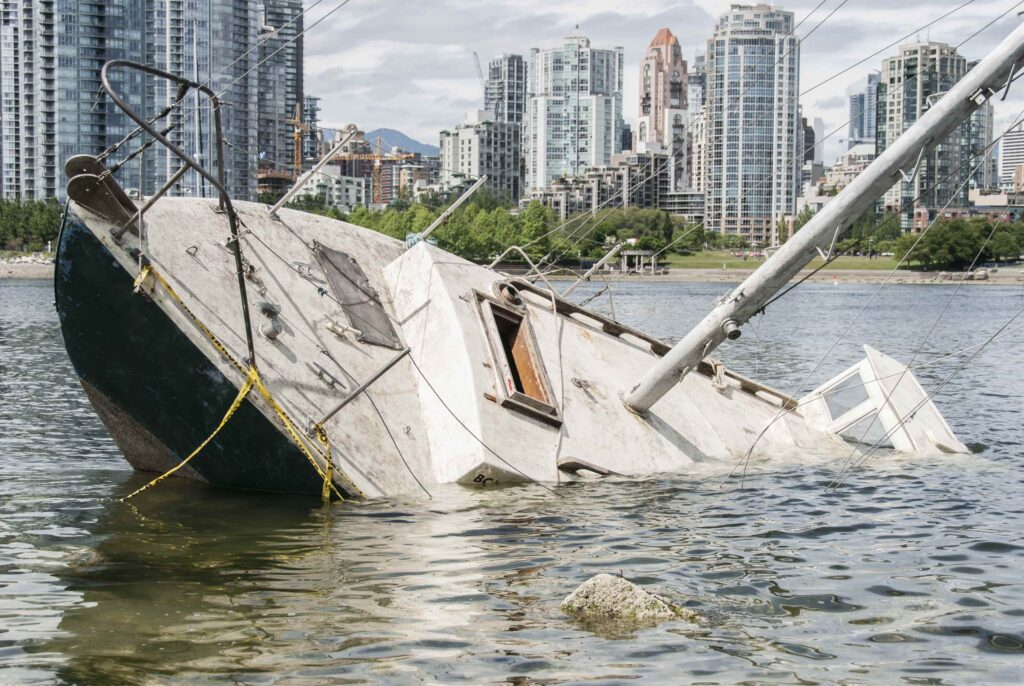
Crew members working near Galveston Bay or offshore drilling fields sometimes experience severe injuries such as:
- Broken bones from falls on wet decks
- Back injuries caused by lifting heavy equipment
- Head injuries from falling cargo or swinging rigging
- Burns from engine room accidents
Many injured workers receive treatment at facilities like Memorial Hermann–Texas Medical Center, which often handles serious trauma cases from industrial accidents.
Occupational Illnesses and Long-Term Exposure Claims
Maritime injuries do not always occur during a single incident. Prolonged exposure to chemicals, fuel vapors, or toxic substances may cause chronic illness.
Engine room workers, for example, sometimes inhale hazardous fumes over extended periods. Federal maritime law allows workers to pursue claims for illnesses tied to workplace exposure.
Injuries Caused by Unseaworthy Vessels
Vessel owners must maintain safe ships and equipment. A vessel becomes unseaworthy when faulty equipment, missing safety gear, or poorly trained crew members create unsafe conditions.
A defective ladder, malfunctioning crane, or worn mooring line may support an unseaworthiness claim when an injury results.
What Compensation Can an Injured Maritime Worker Recover?
Jones Act claims allow injured seamen to pursue several forms of compensation beyond medical coverage.
These claims focus on making the injured worker whole after a preventable accident.
Jones Act Negligence Damages
An employer’s negligence may support compensation for:
- Medical expenses related to the injury
- Lost wages during recovery
- Reduced earning capacity after permanent injury
Maritime law applies a relaxed standard of proof. A worker only needs to show that employer negligence played a role in the injury.
Maintenance and Cure: Your Employer's Baseline Obligation
Maintenance and cure represents one of the oldest protections in maritime law. Maintenance refers to daily living expenses while recovering from an injury. Cure covers reasonable medical treatment until the worker reaches maximum medical improvement, meaning doctors believe further recovery is unlikely.
Employers must provide these benefits regardless of fault.
Unseaworthiness Claims and How They Expand Your Recovery
An unseaworthiness claim focuses on the condition of the vessel itself. Unsafe equipment, inadequate staffing, or poorly maintained structures may create liability.
This type of claim often accompanies a Jones Act negligence claim.
Lost Wages, Pain and Suffering, and Future Medical Costs
Serious maritime injuries sometimes leave workers unable to return to offshore jobs. Courts may award damages for reduced earning ability and ongoing medical treatment.
Pain and suffering damages address the physical hardship and life disruption caused by an injury.
How Does the Jones Act Differ from Texas Workers' Compensation?
Many injured workers assume Texas workers’ compensation will handle their claim. Maritime law often replaces that system for seamen.
Federal statutes govern maritime employment because vessels operate across state and international waters.
Why Texas Workers' Comp Typically Does Not Apply to Seamen
Texas workers’ compensation primarily protects land-based employees. Seamen working aboard vessels fall under federal maritime law instead.
That distinction allows maritime workers to bring negligence claims directly against their employer.
The Advantages of Jones Act Claims Over Standard Workers' Comp
Workers’ compensation usually limits recovery to medical treatment and partial wage replacement.
Jones Act claims allow additional damages, including compensation for pain and suffering and full lost income.
When Other Federal Laws May Apply Instead
Not every maritime worker qualifies as a seaman. Some workers fall under the Longshore and Harbor Workers’ Compensation Act (LHWCA).
This federal law protects dock workers, shipbuilders, and harbor construction employees who work near navigable waters but do not operate aboard vessels.
What Steps Should You Take After a Maritime Injury in Houston?
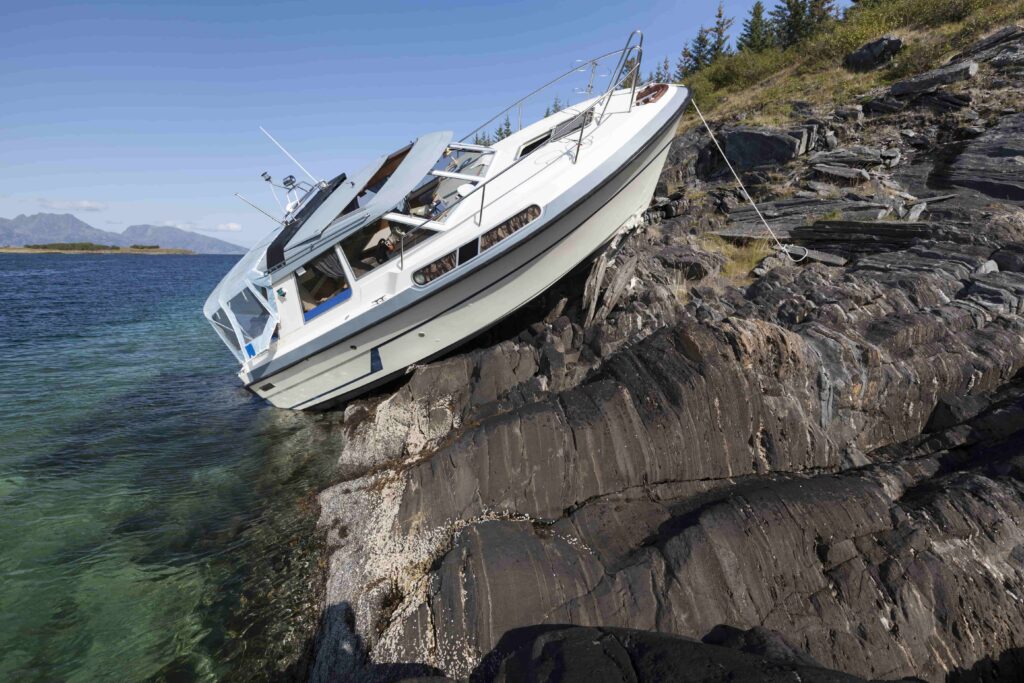
An offshore injury often creates confusion about medical care and reporting requirements. Quick action protects both health and legal rights.
Seek Medical Attention and Document Everything
Your health comes first after any maritime injury. Medical evaluation helps detect injuries that may not appear immediately.
Workers injured near the Houston waterfront sometimes receive treatment at Houston Methodist Hospital, which provides advanced trauma care.
Keep records of medical visits, prescriptions, and work restrictions.
Report the Injury to Your Employer and Know Your Rights When You Do
Maritime employers usually require workers to report injuries promptly. Provide accurate details about how the incident occurred.
Avoid speculation about fault. Stick to facts and request a copy of any written report you submit.
Why You Should Avoid Signing Anything Before Talking to a Lawyer
Employers sometimes request written statements shortly after an accident. Insurance representatives may also request recorded interviews.
Legal guidance helps protect your rights before signing documents or agreeing to settlements.
Are There Deadlines for Filing a Jones Act Claim in Texas?
Federal law gives injured seamen three years to file a Jones Act lawsuit. The clock usually begins on the date of the injury, though some occupational illness cases begin when the illness becomes known.
Why Waiting Can Hurt Your Case Even Within the Deadline
Evidence fades quickly after maritime accidents. Witnesses change jobs, equipment gets repaired, and vessel logs disappear.
Early investigation often strengthens a claim.
Maintenance and Cure Deadlines and Employer Obligations
Employers must begin paying maintenance and cure promptly after an injury report.
Delays or refusals sometimes lead to additional legal claims for bad faith conduct.
How Can a Houston Maritime Attorney Help with Your Jones Act Claim?
Maritime law differs from standard injury law. Experienced legal representation helps injured workers pursue fair compensation.
Investigating the Cause of Your Injury and Building Your Case
A maritime attorney reviews vessel records, maintenance logs, and crew training procedures.
Witness statements and safety reports often reveal unsafe practices.
Establishing Seaman Status and Navigating Federal Maritime Law
Seaman classification often becomes the most disputed issue in Jones Act cases.
A knowledgeable attorney gathers employment records and vessel assignments to demonstrate the worker’s connection to the vessel.
Negotiating With Employers and Insurers Who Have Experienced Legal Teams
Large offshore companies often rely on legal teams and insurance carriers to defend claims.
Strong legal representation helps protect injured workers during negotiations.
Taking Your Case to Court if a Fair Settlement Is Not Offered
Federal maritime law allows injured seamen to present their case before a jury.
Trial preparation sometimes motivates employers to offer fair compensation.
Why Choose Our Firm to Handle Your Claim
At NMW Law, we represent maritime workers injured in Houston and across the Gulf Coast. Our attorneys understand the realities of offshore employment and the federal laws that protect seamen.
Years of experience handling maritime injury claims provide insight into vessel operations, offshore safety procedures, and employer responsibilities. That knowledge allows us to build strong cases for injured crew members.
Our team investigates accident reports, vessel maintenance records, and crew training practices to identify negligence. We focus on securing compensation that covers medical treatment, lost income, and long-term recovery needs.
Contingency fees allow injured workers to pursue justice without paying upfront legal costs. Clients only pay legal fees if compensation is recovered.
We approach every case with dedication, empathy, and determination to hold employers accountable when unsafe practices cause harm.
Frequently Asked Questions About Maritime Accident Claims in Houston
Can I still file a Jones Act claim if my employer says I was an independent contractor?
Employment labels do not control legal status under maritime law. Courts evaluate job duties, vessel assignments, and employer control over the worker’s activities. Many workers classified as contractors still qualify as seamen.
What if my injury happened on a river, bay, or inland waterway near Houston rather than offshore?
The Jones Act applies to injuries on navigable waters, including rivers, bays, and channels. Incidents occurring along the Houston Ship Channel or Galveston Bay may still qualify.
Can my employer retaliate against me for filing a Jones Act claim?
Federal law prohibits retaliation against workers who pursue legal rights under maritime statutes. Employers may face additional liability if retaliation occurs.
What if I was partially at fault for my maritime injury?
Maritime law uses a comparative fault system. A worker may still recover damages even when partial responsibility exists, though compensation may decrease based on the worker’s share of fault.
Do I need a maritime attorney, or can any personal injury lawyer handle my Jones Act claim?
Maritime law involves unique federal statutes and court procedures. A lawyer with experience handling maritime injury cases understands vessel operations, federal legal standards, and the strategies often used by offshore employers.
Contact Our Maritime Accident Attorneys in Houston Now

An offshore injury affects more than your ability to work. Medical treatment, lost income, and uncertainty about the future often create enormous stress for maritime workers and their families.
At NMW Law, our team stands beside injured maritime workers throughout Houston and the Gulf Coast. We understand the demands of offshore work and the protections available under federal maritime law.
Reach out to us now for a free consultation to discuss your situation, learn about your legal options, and receive honest guidance about your claim.
Get a Free Consultation