A day on the water is meant to be relaxing and enjoyable. When a boating accident occurs, however, the situation can quickly become stressful and confusing for those involved. Injuries, medical costs, and uncertainty about who may be responsible often leave people trying to understand their potential options.
In cases involving recreational boating accident liability in El Paso, responsibility is not always limited to the person operating the vessel. Under Texas law, liability may be shared among multiple parties depending on the circumstances surrounding the accident. The boat’s owner, the operator, or even another boater could potentially bear responsibility based on how the vessel was operated and whether applicable safety rules were followed.
Understanding how Texas law approaches boating accident responsibility can help injured passengers and boaters recognize the factors that may influence liability after an incident on the water. The sections below outline how liability is evaluated and highlight common issues that may arise when determining who could be responsible.
Get a Free ConsultationKey Takeaways About Recreational Boating Accident Liability in Texas
- The boat operator and the vessel owner may both face legal liability after a recreational boating accident, even if they are two different people.
- Texas law allows boat owners to be held responsible for accidents caused by people they permitted to operate their vessel.
- Passengers injured in a boating accident may pursue compensation for medical bills, lost wages, and other losses under Texas personal injury law.
- Texas follows a modified comparative fault rule, meaning your compensation may be reduced if you share any portion of the fault for the accident.
- Some boating accidents may involve both Texas law and federal maritime principles, depending on whether the waterway qualifies as navigable for admiralty purposes. In many inland recreational boating cases, Texas state law primarily governs the claim.
Who Pays for Injuries in a Recreational Boating Accident?
Texas law does not limit liability to the person behind the wheel of a boat. The legal concept of negligent entrustment holds a boat owner responsible when they allow an unqualified, impaired, or reckless person to operate their vessel. If the owner knew, or reasonably should have known, that the operator posed a risk to others, the owner may face civil liability alongside the operator.
This matters because operators often carry little or no insurance. In some cases, the vessel owner's homeowner policy, watercraft endorsement, or boat insurance policy may offer additional or alternative coverage for accident-related injuries, depending on the policy terms.
Operator Negligence vs. Owner Responsibility in Texas Boating Claims
These two theories of liability often work together rather than standing apart. An operator may be negligent for how they drove the boat, while the owner may be liable for who they allowed to drive it. Texas courts recognize both theories in recreational boating injury claims.
The distinction becomes especially significant when the operator is uninsured, underinsured, or has limited personal assets. Pursuing the vessel owner through negligent entrustment may give an injured victim access to a broader range of financial recovery. Texas law does not require an injured party to choose one theory over the other; both may be brought in the same lawsuit.
What Texas Law Says About Boat Owner Responsibility
Texas law governs recreational watercraft under the Texas Parks and Wildlife Code, which sets out the rules for vessel registration, equipment requirements, and safe operation. Boat owners may be held liable under Texas law when they fail to maintain their vessels in a reasonably safe condition and that failure contributes to foreseeable harm to others on the water.
When an owner hands over control of a vessel without checking whether the operator is capable of running it safely, that decision may form the basis of a negligent entrustment claim. The owner's knowledge of the operator's experience, sobriety, and history all become relevant facts in a civil case.
Key Duties Texas Law Places on Recreational Boat Owners
Texas boating law imposes several safety‑related obligations on vessel owners that go beyond simple maintenance. Owners may face potential liability when they fail to meet responsibilities such as:
- Maintaining the vessel in a condition that does not pose unreasonable danger to passengers or other boaters
- Refusing to allow an intoxicated, inexperienced, or reckless person to operate the vessel
- Carrying the required safety equipment, including life jackets and fire extinguishers, as mandated by Texas Parks and Wildlife regulations
- Registering the vessel properly and keeping documentation current under Texas law
Liability in boating cases often follows the paper trail. An owner whose vessel lacked required safety equipment or whose operator was unlicensed faces a much harder defense when injuries result.
How Shared Fault Works in a Texas Boating Crash
Texas applies a modified comparative fault standard to personal injury cases, including boating accidents. Under this rule, each party's percentage of fault reduces the amount of compensation they may recover. A victim found to be more than 50 percent at fault may not recover anything at all.
Insurance companies and defense attorneys frequently attempt to shift blame onto injured passengers or other boaters to limit a payout. Understanding how comparative fault works, and how to counter those arguments, directly affects what you may recover.
Factors That Affect Fault Allocation in a Boating Accident Claim
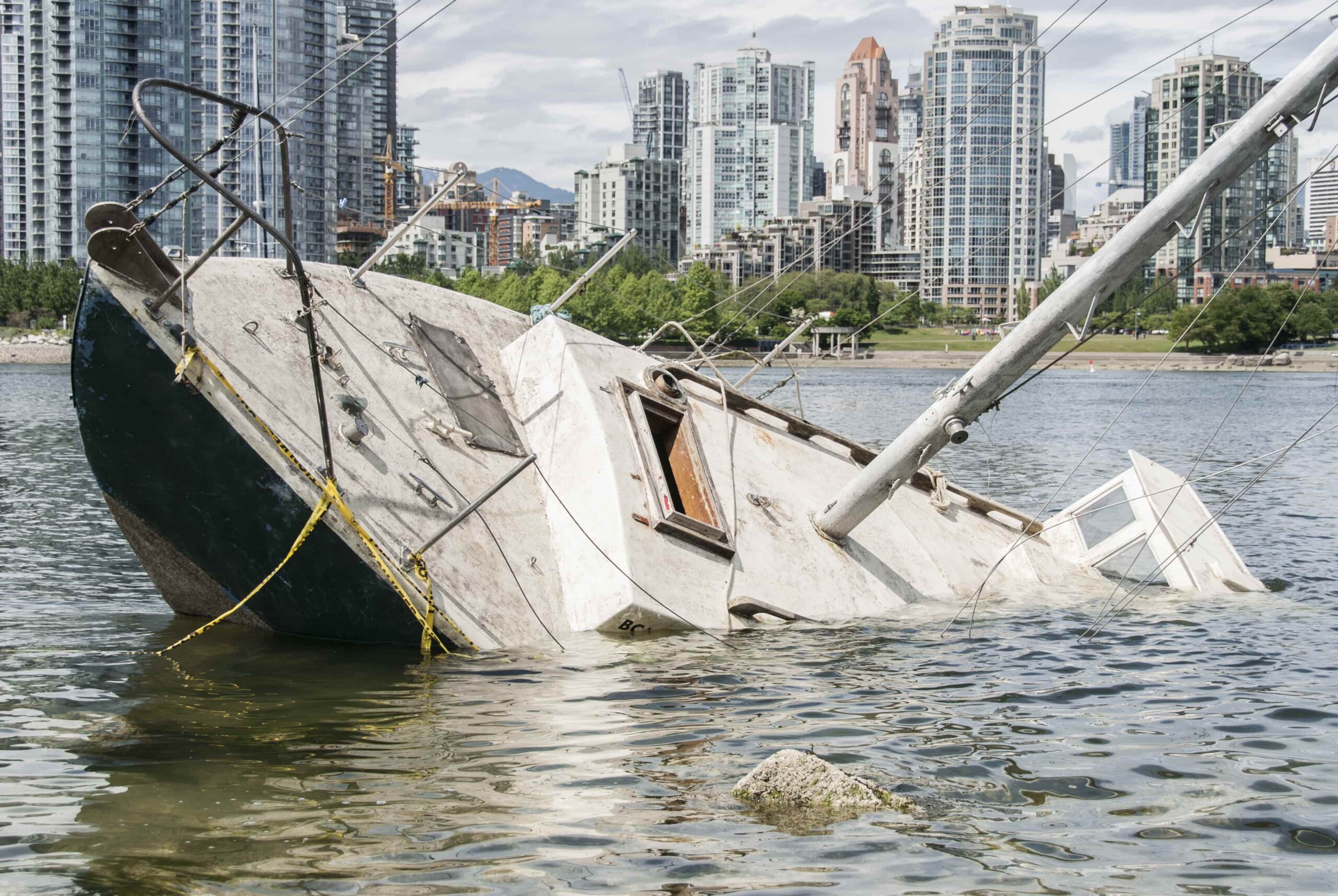
Courts and insurance adjusters look at a range of factors when assigning fault percentages in a recreational boating crash. The following elements often come up during the liability analysis:
- Whether the injured person was wearing a life jacket or following onboard safety instructions
- Whether the injured party was a passenger who had any control over the vessel's course or speed
- Whether another vessel's operator contributed to the crash through their own negligent operation
- Whether the accident happened in a designated no-wake or restricted zone and whether posted rules were followed
Comparative fault is a legal argument, not a fixed outcome. Thorough investigation and strong evidence often shift the fault allocation significantly in favor of the injured party.
What Injuries and Damages Arise From Recreational Boating Accidents in El Paso?
Recreational boating accidents on West Texas waterways produce a wide range of injuries. Collisions at speed, falls overboard, and propeller strikes all carry the potential for life-altering harm. Unlike road accidents, water-based crashes often delay injury discovery, since victims may spend time in the water before receiving medical attention.
Texas personal injury law allows injured boating accident victims to pursue compensation for both economic and non-economic losses. In cases involving particularly reckless conduct, exemplary damages may also be available.
Losses That May Be Recoverable After a Texas Boating Injury
The full range of recoverable losses in a boating accident claim reflects both the immediate and lasting impact of a serious injury. Victims may pursue compensation for:
- Medical expenses, including emergency treatment, surgery, hospitalization, physical therapy, and anticipated future care
- Lost income and reduced earning capacity when injuries prevent a return to normal work
- Pain and suffering, covering ongoing physical discomfort and emotional distress
- Loss of enjoyment of life when injuries prevent activities that were previously part of daily living
Texas does not cap non-economic damages in boating accident cases the way it does in some medical malpractice claims. That means the full weight of your pain, limitations, and losses may be presented to a jury without an artificial ceiling on recovery.
How NMW Law Approaches Boating Accident Liability Cases in El Paso

A recreational boating accident in El Paso or on Texas waterways near El Paso, such as those regulated under Texas law, raises questions that go well beyond who was driving the boat. NMW Law helps injured victims sort through the layers of responsibility that Texas law recognizes in these cases, from the operator who made a negligent decision to the owner who handed over the keys.
The attorneys at NMW Law gather evidence, review vessel registration records, investigate the operating history of everyone involved, and identify every party that may share legal responsibility. From the first call through resolution, the focus stays on protecting your recovery.
What NMW Law Does When Boating Liability Is Disputed
Disputed liability is common in boating accident cases because multiple people often share control over a vessel at different points. The NMW Law team addresses that complexity head-on by taking the following steps for every client:
- Requesting Texas Parks and Wildlife reports, Coast Guard documentation, and any law enforcement records tied to the accident
- Reviewing the vessel's registration and ownership history to identify all potentially responsible parties
- Investigating whether the boat operator held a required safety certification or had prior citations for negligent operation
- Gathering witness statements and any available video from docks, marinas, or nearby vessels
- Analyzing insurance coverage across both the operator's and owner's policies to identify every available source of compensation
Boating cases often hinge on details that disappear quickly, like weather logs, radio communications, and witness availability. Moving fast protects the evidence that supports your claim.
FAQs for Recreational Boating Accident Liability El Paso
Who is legally responsible for injuries in a recreational boating accident in Texas?
Responsibility typically starts with the boat operator, who owes a duty of care to passengers and other people on the water. The vessel owner may also face liability under a legal theory called negligent entrustment if they permitted an unqualified or impaired person to operate their boat. In some cases, a third-party business, like a rental company or charter operator, may share responsibility as well.
What is negligent entrustment in a Texas boating case?
Negligent entrustment is a legal theory that can hold a vehicle or vessel owner liable when they allow an unfit operator to use their property and that decision contributes to someone else’s injuries. In a boating context, if an owner knew or had reason to know that the person operating their vessel was impaired, inexperienced, or otherwise unfit, the owner may face civil liability for injuries that result. Texas courts recognize negligent entrustment as a valid basis for a boating accident claim.
Does Texas require boat operators to have a license or certification?
Texas requires anyone born on or after September 1, 1993 to complete a boater education course before operating a motorized vessel with 15 or more horsepower. This requirement is set by the Texas Parks and Wildlife Code Section 31.108. Operating a vessel without the required certification may be used as evidence of negligence in a civil injury claim.
What if the boat owner was also a passenger at the time of the accident?
A boat owner who was a passenger while someone else operated the vessel may still face liability if they gave permission to an unfit operator. The owner's physical presence on the boat does not necessarily protect them from a negligent entrustment claim. What matters is whether they knew or should have known the operator posed a risk to others before handing over control.
How long do I have to file a boating accident injury claim in Texas?
Texas law generally gives personal injury claimants two years from the date of the accident to file a lawsuit, although specific facts or claim types can create different deadlines. Waiting too long may permanently bar your right to seek compensation, regardless of how strong the evidence is. Reaching out to an attorney promptly after an accident preserves your legal options.
Pursue Recreational Boating Accident Liability in El Paso With NMW Law

Boat accidents rarely come with a clean, obvious answer about who is responsible. The owner, the operator, the rental company, and even third-party alcohol providers may all share a piece of the liability depending on the facts. Letting any of those threads go unexamined means leaving compensation on the table.
NMW Law serves injured victims throughout El Paso and across Texas with the kind of steady, careful attention these cases require. The firm takes care of the investigation, the insurance negotiations, and the legal process so you can put your focus where it belongs. Call today for a free consultation.
Get a Free Consultation