If a careless driver struck you while you were walking, knowing how pedestrian right of way laws in Houston apply to your situation can shape the outcome of your injury claim. Texas law gives pedestrians clear protections in many scenarios, but fault does not always fall entirely on one side. Location, traffic signals, lighting, and driver behavior all factor into who bears legal responsibility. When you understand how these rules work, you gain clarity about your options and your next steps.
You deserve straight answers about how these rules affect your recovery and your future. A pedestrian accident attorney near you can address your questions and explain your rights and options during a free consultation.
Get a Free ConsultationKey Takeaways: Texas Right-of-Way Laws and Pedestrian Accidents in Houston
- Texas law grants pedestrians the right of way in marked crosswalks, but fault is not always clear-cut. Location, signals, and driver behavior all matter.
- Even if you were not in a crosswalk when you were hit, you may still have a viable personal injury claim under Texas's comparative fault rules.
- Texas follows a modified comparative fault system, known as the 51 percent rule, meaning you can still recover damages as long as you are not more than 50 percent at fault.
- Drivers have a legal duty of care toward pedestrians under Texas Transportation Code § 552, and violations of that duty can establish negligence.
- Acting quickly after a pedestrian accident matters. Texas law sets a two-year statute of limitations for most personal injury claims under Tex. Civ. Prac. & Rem. Code § 16.003.
What Are Texas Right-of-Way Laws for Pedestrians?
Chapter 552 of the Texas Transportation Code requires drivers to yield to pedestrians in marked crosswalks when no traffic signal controls the intersection. Drivers must also stop when a pedestrian occupies the same half of the roadway or approaches closely from the opposite half.
Pedestrians, however, must not suddenly leave a curb and step into the path of a vehicle that cannot reasonably stop. This balance of duties means courts examine both sides’ conduct after a crash.
When Pedestrians Have the Right of Way at Crosswalks
Marked crosswalks give pedestrians strong legal protection. When you walk within painted lines and follow traffic signals, drivers must yield. Green pedestrian signals reinforce that protection.
Unmarked crosswalks at intersections also carry legal weight. Even without painted lines, the law treats most intersections as crosswalks unless signage states otherwise.
When Drivers Must Yield and When They Don’t
Drivers must yield when:
- A pedestrian crosses within a marked or unmarked crosswalk without traffic signals.
- A pedestrian lawfully crosses with a walk signal.
- A pedestrian uses a sidewalk crossing a driveway or alley.
Drivers do not have to yield when a pedestrian crosses mid-block outside a crosswalk and without signals. Even then, drivers must still use reasonable care and avoid hitting someone when possible.
Houston Municipal Rules That May Also Apply
Houston enforces local ordinances that support state traffic laws. City regulations address pedestrian control signals and traffic flow in dense areas such as Downtown, Midtown, and the Galleria district. Police reports often reference both state code and city rules, which can influence how fault gets assigned.
What Counts as a Crosswalk Under Texas Law?
Many people assume crosswalks only exist where white paint appears on the road. Texas law says otherwise.
Marked vs. Unmarked Crosswalks in Texas
A marked crosswalk features painted lines or distinctive paving. Houston commonly installs these near schools and METRORail stops.
An unmarked crosswalk exists at most intersections where sidewalks meet, even without paint. Drivers often overlook this detail, which can strengthen your claim if a collision occurs at such a location.
Intersections Without Painted Lines — Are You Still Protected?
Yes. When two roads meet and sidewalks continue across, the law generally recognizes a crosswalk. If you crossed at an intersection near Hermann Park without painted lines, legal protection may still apply.
Insurance companies sometimes argue that the absence of paint means no crosswalk existed. The Transportation Code contradicts that assumption.
Crosswalk Myths Houston Pedestrians Often Believe
Common misconceptions include:
- Drivers always bear full blame in crosswalk crashes.
- Painted lines determine all rights.
- Crossing slightly outside a line eliminates any claim.
Courts review the entire situation, including speed, visibility, and driver attentiveness.
Common Causes of Pedestrian Accidents in Houston
Heavy traffic and urban growth create risk zones across Houston. Pedestrian collisions often occur in predictable patterns.
Failure to Yield at Crosswalks and Intersections
Drivers rushing through yellow lights or turning right on red often overlook pedestrians. Busy areas like Montrose and the Heights see frequent right-turn crashes when drivers focus on traffic instead of foot traffic.
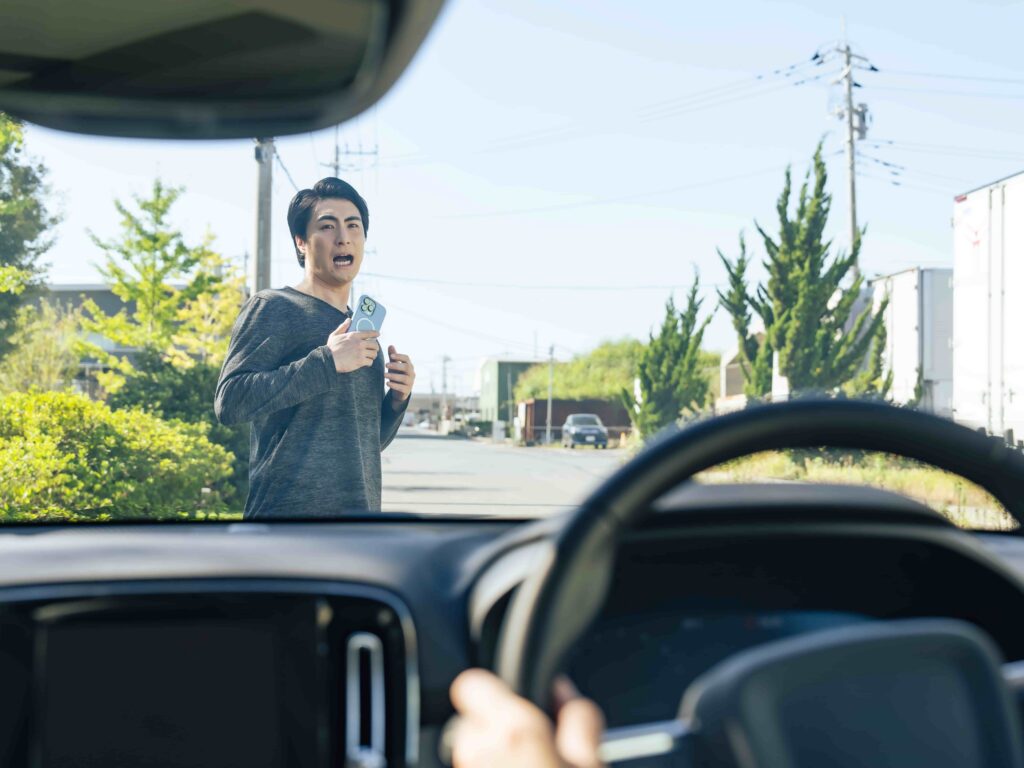
Distracted and Speeding Drivers
Texting, GPS use, and in-car screens reduce reaction time. A speeding vehicle needs more distance to stop, which raises injury severity.
Poor Lighting, Dangerous Road Design, and Visibility Issues
Dim lighting along stretches of FM 1960 or poorly marked lanes can obscure pedestrians. Road design that prioritizes vehicle speed over foot traffic increases risk.
Left-Turn and Parking Lot Accidents Involving Pedestrians
Left-turn crashes occur when drivers watch oncoming cars but miss pedestrians crossing. Parking lots at large retail centers, such as those near Memorial City Mall, also produce injuries when drivers reverse without checking surroundings.
Emergency care often follows quickly after such incidents. Facilities like Memorial Hermann–Texas Medical Center treat many trauma patients from pedestrian collisions.
If I Wasn't in a Crosswalk, Can I Still File a Claim?
Many injured pedestrians worry that stepping outside a crosswalk destroys their case. Texas law takes a more balanced approach.
How Right-of-Way Rules Intersect With Comparative Fault
Right-of-way violations influence fault percentages. If you crossed mid-block, a jury may assign some blame to you. However, a driver who sped or texted may still carry greater responsibility.
Texas's 51% Modified Comparative Fault Rule Explained (Tex. Civ. Prac. & Rem. Code § 33.001)
Texas follows a modified comparative fault system. You may recover damages if your share of fault stays at 50 percent or less. Recovery decreases by your percentage of fault.
For example, if a jury finds you 20 percent responsible and awards $100,000, the court reduces the award to $80,000.
How Insurance Companies Use Your Location Against You
Insurers often argue that crossing outside a crosswalk equals total fault. They may cite surveillance footage or witness statements to shift blame.
Strong evidence can counter that argument.
Evidence That Can Shift or Reduce Your Share of Fault
Helpful proof may include:
- Traffic camera footage showing driver speed.
- Phone records indicating distracted driving.
- Skid marks or crash reconstruction analysis.
- Witness accounts describing driver behavior.
Sometimes, strong documentation changes how fault percentages get assigned.
Who Is Liable in a Houston Pedestrian Accident?
Liability depends on conduct, road conditions, and vehicle ownership.
Driver Negligence and Duty of Care Under Texas Law
Drivers owe a duty of care to operate vehicles safely and remain alert. Running a red light or ignoring a crosswalk signal often establishes negligence.
When a Government Entity May Be Responsible
Poor road maintenance or malfunctioning signals may involve a government agency. Claims against public entities follow shorter notice deadlines under the Texas Tort Claims Act, which requires written notice within months, not years.
Third-Party Liability — Employers, Vehicle Owners, and Others
If a delivery driver strikes you while working, the employer may share responsibility. Vehicle owners who loan cars to unsafe drivers may also face liability under certain circumstances.
What Damages Can an Injured Pedestrian Recover in Texas?
Compensation aims to address both financial losses and human impact.
Economic Damages — Medical Bills, Lost Wages, and Future Costs
Economic damages cover measurable expenses:
- Hospital stays, surgeries, and rehabilitation.
- Lost income during recovery.
- Future medical care or reduced earning ability.
Treatment may involve facilities like Houston Methodist Hospital, depending on injury severity.
Non-Economic Damages — Pain, Suffering, and Loss of Enjoyment
Non-economic damages compensate for pain, emotional distress, and reduced quality of life. These damages reflect how injuries affect daily activities and relationships.
Punitive Damages in Cases of Gross Negligence (Tex. Civ. Prac. & Rem. Code § 41.003)
Gross negligence involves extreme risk and conscious disregard for safety. Drunk driving at excessive speeds may support punitive damages, which aim to deter similar conduct.
What Should You Do After a Pedestrian Accident in Houston?
You’ve already gone through emergency care. Now, your focus likely rests on medical bills, missed paychecks, and how long recovery will take. At this stage, protecting your right to compensation should move to the top of your list.
Start by contacting a car accident lawyer with experience handling pedestrian injury cases. Early legal guidance helps preserve evidence, review the police report, and prevent insurance companies from shifting blame onto you.
Adjusters often reach out quickly and may ask for recorded statements or medical authorizations that don’t serve your interests.
A lawyer can calculate the full value of your claim, including future treatment and lost earning ability, not just current bills. Legal representation also signals to insurers that you’re serious about fair compensation.
While you focus on healing, your attorney can handle negotiations and build a strong case on your behalf.
How Long Do You Have to File a Pedestrian Accident Claim in Texas?
Most pedestrian injury lawsuits must be filed within two years of the accident date. Missing this deadline usually bars recovery.
Exceptions That May Shorten or Extend Your Filing Deadline
Claims involving minors or government entities follow different rules. Government claims often require notice within six months.
Why Waiting Can Seriously Damage Your Case
Delays weaken evidence and witness memory. Early action helps preserve strong proof.
How Our Firm Can Help
At NMW Law, we represent injured pedestrians across Houston with dedication and care. Our attorneys bring years of experience handling traffic injury cases throughout Harris County. We focus on accountability and fair recovery for every client.
Investigating the Accident and Gathering Critical Evidence
We review crash reports, secure video footage, and consult reconstruction professionals when needed. Thorough investigation often reveals facts insurers overlook.
Identifying All Liable Parties and Insurance Policies
Our team examines employment relationships, vehicle ownership, and possible third-party responsibility. Multiple insurance policies may apply in a single case.
Calculating the Full Value of Your Claim
We evaluate medical records, wage loss, and long-term effects. Careful calculation supports a demand that reflects both current and future losses.
Negotiating With Insurers and Taking Your Case to Trial if Needed
Insurance carriers respond differently when skilled trial lawyers prepare a case thoroughly. If negotiations stall, we stand ready to present your claim in court.
Frequently Asked Questions About Houston Pedestrian Accident Claims
What if the driver who hit me fled the scene?
Uninsured motorist coverage under your own auto policy may provide compensation. Police investigation also plays a key role in identifying the driver.
Can I still file a claim if I was partially at fault for the accident?
Yes, as long as your share of fault does not exceed 50 percent. Comparative fault reduces your recovery rather than eliminating it.
What if the accident happened in a parking lot rather than on a public street?
Parking lot crashes still fall under negligence law. Property owners or drivers may share responsibility depending on conditions.
Does Texas require drivers to stop for pedestrians at all crosswalks?
Drivers must yield in marked and many unmarked crosswalks when no signal controls traffic. Traffic signals change those duties depending on the light.
How much does it cost to hire a pedestrian accident attorney in Houston?
Most personal injury firms, including ours, work on a contingency fee basis. You pay no upfront fees, and we receive payment only if we recover compensation for you.
Contact Our Pedestrian Accident Attorneys in Houston Now

Pedestrian injury claims demand careful legal work and timely action. Insurance companies often move quickly to protect their interests. Strong representation helps level the field.
NMW Law provides experienced, knowledgeable, and focused advocacy for injured pedestrians. We listen to your story, explain your options clearly, and build a strategy tailored to your situation. Our team handles communication with insurers, gathers proof, and pursues fair compensation while you focus on recovery.
A free consultation gives you the opportunity to ask questions and understand your rights without financial pressure. Reach out now to request a case review and learn how we can help you move forward with confidence.
Get a Free Consultation