When a driver crosses into a marked lane or opens a car door without looking, cyclists often suffer broken bones, head injuries, and long recovery periods. Texas bicycle lane laws in Houston directly affect who pays for those injuries.
A cyclist’s lane position at the time of a crash often shapes how fault gets assigned. Insurance companies examine whether you followed traffic rules, whether you rode inside a designated lane, and whether local ordinances applied. Those details may increase or reduce the compensation available to you.
If you’re recovering at home or in a hospital, your main concern likely centers on medical bills, missed work, and how long recovery will take. The law’s view of your lane position may play a major role in answering who is financially responsible. Contact a bicycle accident lawyer in Houston now to protect your rights and interests.
Get a Free ConsultationKey Takeaways: Texas Bicycle Lane Laws and Injury Claims in Houston
- Texas law allows cyclists to use public roads, but lane rules strongly influence fault after a crash.
- Houston ordinances work alongside state statutes, and both may affect your case.
- Lane position often shapes liability decisions and settlement negotiations.
- Texas follows a modified comparative fault rule that reduces compensation if you share responsibility.
- Insurance companies often rely on alleged traffic violations to shift blame to cyclists.
What Texas Law Says About Bicycle Lanes
Section 551 of the Texas Transportation Code grants cyclists the right to ride on most roadways. Drivers must pass at a safe distance and respect a cyclist’s presence in traffic.
When a driver violates a traffic law and strikes a cyclist, that violation often supports a finding of negligence.
Where Cyclists Are Legally Required to Ride Under Texas Law
Texas law generally requires cyclists to ride as near as practicable to the right-hand curb or edge of the roadway. Exceptions apply when avoiding hazards, passing, preparing for a left turn, or when the lane is too narrow for safe sharing.
If a designated bike lane exists, cyclists usually should use it. However, debris, parked vehicles, or unsafe conditions may justify leaving the lane. Insurance companies often focus on this issue, so context matters.
How Houston's Local Ordinances Build on State Law
Houston’s Code of Ordinances addresses traffic conduct within city limits. City rules prohibit stopping or parking in a designated bike lane except in limited situations.
When a driver blocks a bike lane near Allen Parkway or in Midtown, that violation may support your claim. A traffic citation issued at the scene often becomes key evidence.
Designated Bike Lanes vs. Shared Roadways: What's the Difference?
Designated bike lanes use painted lines or symbols to mark space for cyclists. Shared roadways, often marked with sharrows, remind drivers that cyclists may use the full lane.
A marked lane may make it easier to show that a driver entered space reserved for cyclists. On shared roads, fault analysis often centers on passing distance, speed, and right of way.
Do Bike Lane Laws Affect My Injury Case?
Bike lane laws frequently sit at the center of a Houston bicycle injury claim. Adjusters and defense attorneys review reports and photos to decide whether each party followed the rules.
Why Lane Position Matters in a Personal Injury Claim
Texas uses a fault-based system. The party who caused the crash pays for resulting damages. Lane position often influences how fault gets divided.
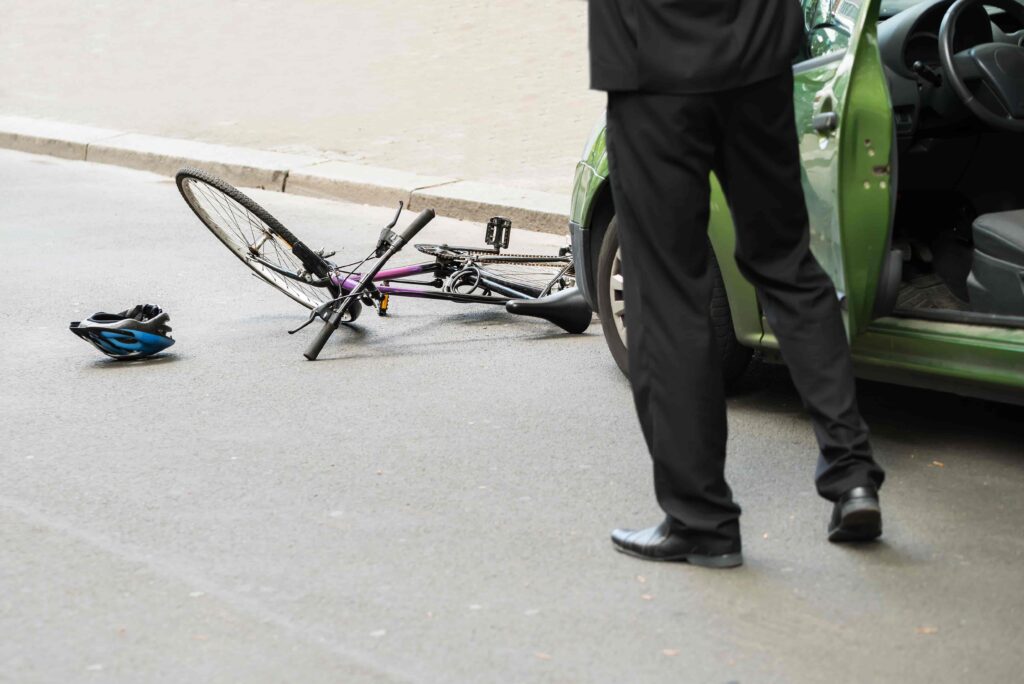
If a driver crossed into a marked lane on Shepherd Drive and struck you, the lane marking supports your position. If you rode outside the lane, insurers may argue that your placement contributed to the crash.
Evidence about road hazards or blocked lanes often becomes decisive.
How Compliance with Traffic Laws Influences Fault in Texas
Courts and insurers examine whether both parties followed traffic laws. A driver who ran a red light near a Midtown intersection and hit a cyclist proceeding lawfully bears strong responsibility.
If a cyclist ignored a traffic signal, the defense may seek to reduce compensation. Video footage, witness statements, and crash reconstruction often clarify what happened.
The Role of Texas's Modified Comparative Fault Rule
Texas Civil Practice and Remedies Code Section 33.001 sets out the modified comparative fault rule:
- You may recover damages if you are 50 percent or less responsible.
- Your compensation decreases by your percentage of fault.
- If you are more than 50 percent responsible, you cannot recover damages.
For example, a $100,000 award reduced by 20 percent fault results in $80,000 in recovery. Lane position often affects that percentage.
What Happens if You Were Outside the Bike Lane When You Were Hit?
Leaving a bike lane does not automatically bar recovery. Cyclists may move left to avoid debris, prepare for a turn, or bypass a blocked lane.
If you moved around construction debris in East Downtown and a driver failed to yield, the driver may still bear most of the responsibility. Detailed evidence about road conditions helps explain your actions.
Common Causes of Bicycle Lane Accidents in Houston
Houston’s heavy traffic and ongoing development create recurring risks for cyclists.
Dooring Accidents in Designated Bike Lanes
Dooring occurs when a parked driver opens a door into a cyclist’s path. This often happens in areas with parallel parking, such as near Rice Village.
Texas law requires drivers to check for traffic before opening a door. A sudden door can cause severe injuries or push a cyclist into moving vehicles.
Drivers Encroaching into or Blocking Bike Lanes
Drivers sometimes drift into bike lanes while turning or using their phones. Others stop in the lane for deliveries.
When a vehicle blocks a bike lane on West Gray Street and forces a cyclist into traffic, that conduct may qualify as negligence. Citations for blocking a lane often strengthen injury claims.
Dangerous Road Conditions and Poorly Maintained Bike Lanes
Potholes, loose gravel, and uneven pavement pose serious risks. Construction zones may leave debris in marked lanes.
If poor maintenance contributed to your crash, a government entity or contractor may share responsibility. Claims against public entities involve special notice rules and shorter deadlines.
Intersection Collisions Involving Cyclists
Intersections account for many severe crashes. Drivers turning right may cut across a cyclist traveling straight in a bike lane, often called a right-hook collision.
These crashes frequently occur in busy areas like Uptown. Determining who had the right of way often becomes central to liability. Injured cyclists often receive treatment at facilities such as Memorial Hermann–Texas Medical Center or Houston Methodist Hospital, and those records help document injuries.
Who Can Be Held Liable for a Houston Bicycle Lane Injury?
More than one party may share responsibility for a bicycle crash. Identifying all liable parties increases the likelihood of full compensation.
Negligent Drivers and Their Insurance Companies
Most claims involve a driver who failed to yield, sped, or entered a bike lane. The driver’s auto insurance policy typically provides coverage.
Insurance companies aim to limit payouts. Detailed evidence and a well-supported demand help counter those efforts.
The City of Houston and Government Liability for Unsafe Infrastructure
Unsafe road design or poor maintenance may expose the City of Houston to liability. Claims against a city require formal notice within a short period, often months rather than years.
Government claims also involve damage caps and procedural rules. Acting promptly protects your rights.
Third Parties: Contractors, Property Owners, and Others
Construction companies that leave hazards in bike lanes or property owners who create dangerous driveway conditions may share fault.
When multiple parties are involved, each may attempt to shift blame. Coordinated legal strategy keeps attention on the full picture of responsibility.
What Compensation Can an Injured Cyclist Recover in Texas?
Texas law allows injured cyclists to pursue compensation for financial losses and personal harm.
Economic Damages: Medical Bills, Lost Wages, and Property Damage
Economic damages cover measurable financial losses, including:
- Hospital and surgical bills.
- Rehabilitation and therapy costs.
- Lost wages and reduced earning capacity.
- Bicycle repair or replacement.
Clear documentation supports these claims.
Non-Economic Damages: Pain, Suffering, and Loss of Enjoyment
Non-economic damages address the human impact of injuries. Fractures, head trauma, and spinal injuries often cause lasting discomfort and limit daily activities.
You may recover for loss of enjoyment of activities you once valued, such as riding along Buffalo Bayou. Testimony and personal records help demonstrate these losses.
Punitive Damages: When Driver Conduct Is Especially Reckless
Punitive damages, also known as exemplary damages, punish especially reckless conduct. Drunk driving or intentional wrongdoing may justify this additional award.
Courts reserve punitive damages for serious misconduct supported by strong evidence.
How Do Insurance Companies Use Bike Lane Laws Against You?
Insurance adjusters carefully analyze whether you complied with traffic laws.
Shifting Blame to the Cyclist Using Traffic Law Violations
Adjusters may argue that you failed to ride near the right edge or ignored a traffic control device. Even minor alleged violations may reduce compensation under comparative fault rules.
Thorough investigation often shows that the driver’s conduct played a larger role.
Common Tactics Adjusters Use to Reduce or Deny Claims
Insurance companies often:
- Request broad medical authorizations to search for prior injuries.
- Delay communication to pressure quick settlements.
- Minimize injuries without reviewing complete records.
Recognizing these tactics helps you protect your claim.
Why a Recorded Statement Can Hurt Your Case
Soon after a crash, an adjuster may request a recorded statement. Pain, medication, or fatigue may affect how you describe events.
Small inconsistencies can later appear as admissions. Legal guidance before giving statements protects your position.
What Should I Do After Suffering Injuries to Protect My Right to Compensation?
If you’re recovering at home or in a hospital, your focus should remain on healing. At the same time, early legal steps matter.
Contact a Bicycle Accident Lawyer Early
Reaching out to a lawyer soon after your crash helps preserve evidence. Skid marks fade and witnesses’ memories shift.
We review reports, obtain footage, and analyze how Texas bicycle lane laws apply to your case. Early involvement strengthens negotiations.
Document Your Recovery and Losses
Keep copies of medical bills, discharge papers, and therapy plans. Maintain notes about pain levels and activity limits.
These records provide a clear account of how the crash affects your daily life and earning ability.
Avoid Direct Negotiations with Insurance Adjusters
Adjusters may seem supportive, but their role centers on limiting payouts. Referring communications to your attorney reduces stress and protects your claim.
Clear, organized communication through counsel often leads to stronger settlement discussions.
How Our Firm Can Help
At NMW Law, we represent injured cyclists throughout Houston. Our team brings years of experience handling traffic injury cases and a deep understanding of Texas transportation statutes. We remain focused on accountability and client advocacy.
Investigating How Bike Lane Laws Apply to Your Specific Crash
We examine police reports, roadway markings, and local ordinances. Photographs, measurements, and witness interviews help clarify lane position and right of way.
Our analysis connects the facts of your crash to the relevant statutes.
Building a Strong Liability Argument Using Texas Traffic Law
We frame the driver’s conduct within the language of the Transportation Code. When a driver failed to yield or crossed into a marked lane, we highlight those violations.
Well-supported legal arguments increase leverage during negotiations.
Dealing with Insurance Companies on Your Behalf
Our firm handles communications with adjusters. We prepare detailed demand packages outlining medical costs, lost income, and personal losses.
By presenting organized claims backed by evidence, we push for fair resolutions.
Fighting for Maximum Compensation for Your Injuries
If insurers refuse reasonable offers, we prepare cases for litigation. Depositions, expert testimony, and court filings may become necessary.
Our knowledgeable, skilled team remains committed to securing the full value of your claim while treating you with care and respect.
FAQs About Houston Bicycle Accident Claims
What bike lane laws apply to cyclists in Houston, Texas?
Texas Transportation Code provisions require cyclists to ride near the right side of the roadway with specific exceptions. Houston ordinances add rules about parking and use of designated lanes within city limits.
Can I still recover compensation if I wasn't riding in the bike lane when I was hit?
Yes, recovery remains possible if your actions were reasonable under the circumstances. Texas’s modified comparative fault rule reduces compensation based on your percentage of responsibility, and bars recovery only if you exceed 50 percent fault.
How long do I have to file a bicycle accident injury claim in Texas?
Texas generally allows two years from the date of the crash to file a personal injury lawsuit. Claims against government entities often require notice within a much shorter period.
What if the city of Houston's poorly maintained bike lane contributed to my crash?
You may pursue a claim against the city if unsafe conditions played a role. Special notice rules and damage caps apply to government claims.
Do I need a lawyer for a bicycle lane injury claim, or can I handle it myself?
Yes. Insurers often have teams of lawyers to reduce or deny your claim. Legal representation helps protect your rights and present a well-supported claim.
Contact Our Bicycle Accident Attorneys in Houston Now

Securing fair compensation after a bicycle crash often requires strong legal advocacy. Texas bicycle lane laws in Houston influence fault determinations, and insurers rely on those rules to limit payouts.
NMW Law brings experience, a focused approach, and a commitment to client advocacy. We handle cases on a contingency fee basis, which means you pay no attorney’s fees unless we recover compensation for you.
If you suffered injuries in a Houston bicycle lane crash, contact our firm for a free consultation. Our knowledgeable team will review your case, explain your options, and pursue the accountability and compensation you deserve.
Get a Free Consultation