A single post, photo, or check-in may do more damage to a personal injury claim than any argument a defense attorney makes in court. Social media evidence in personal injury cases in Texas has become one of the most relied-upon tools that defense teams and insurance companies use to challenge injury claims, and most people do not realize how much exposure their online activity creates until it is too late.
If you have an active injury claim and questions about protecting it, speaking with a Texas personal injury attorney now is the most proactive step you may take.
Get a Free ConsultationKey Takeaways About Social Media Evidence in Texas Personal Injury Cases
- Defense attorneys and insurance adjusters routinely monitor the social media accounts of injury claimants, and anything posted publicly after an accident may be requested as evidence in a lawsuit.
- Texas courts have allowed social media content to be used as evidence in personal injury cases when that content is relevant to the severity of the plaintiff's injuries or their credibility as a witness.
- Deleting posts or deactivating accounts after learning of a lawsuit may constitute spoliation of evidence, which carries its own legal consequences separate from the underlying injury claim.
- Privacy settings do not fully protect your accounts during a lawsuit; courts may order the disclosure of private posts if the defense shows they are relevant to the case.
- The safest approach during an active injury claim is to pause all social media activity and consult with your attorney before posting anything related to your health, activities, or the accident.
How Do Defense Teams Use Social Media to Challenge Injury Claims in Texas?
Insurance companies and defense attorneys assign staff, and in some cases outside investigators, to monitor the social media accounts of injury claimants. This is standard practice in Texas personal injury cases, not an exceptional one. Public posts require no legal process to access; if your account is set to public, anything there is available from the moment the claim is filed.
The goal of this monitoring is to find content that contradicts the injuries you have reported. A photo of you at a Houston Astros game, a post about a weekend hike, or a gym check-in may be used to argue that your physical condition is better than your medical records suggest.
Defense teams are patient and systematic about this process, and they often build a timeline of a claimant's online activity going back months.
Types of Social Media Content That Commonly Surface in Texas Injury Cases
Defense teams look for specific categories of content that speak to physical capacity, daily activity, and the overall credibility of the injury claim. The following post types appear most frequently as evidence in personal injury lawsuits across Texas:
- Photos or videos showing physical activity inconsistent with the injuries claimed, including outdoor activities, sports, dancing, or manual labor
- Location check-ins at venues, gyms, restaurants, or travel destinations that suggest a level of mobility the plaintiff reported they no longer had
- Status updates or comments describing mood, health, or daily activity in ways that contradict reported pain levels and physical limitations
- Posts made shortly after the accident that make no reference to the crash or injuries, which defense attorneys sometimes use to suggest the injuries were not serious at the time
The concern with social media evidence is not necessarily that a post proves deception. It is that it introduces doubt, and doubt has real consequences in settlement negotiations and at trial. Even content taken completely out of context requires time and resources to address, and that burden falls on the injured party.
Can Your Private Social Media Posts Be Subpoenaed in a Texas Injury Case?
Yes. Setting an account to private does not place it beyond reach once a lawsuit is filed. The defense may request social media content through formal discovery, which is the legal process that allows both sides to gather information relevant to the case.
Texas courts have addressed social media discovery in personal injury cases and have generally held that private posts are obtainable when the requesting party shows they are relevant to the claims or defenses at issue.
A subpoena directed at the platform itself may also compel the production of data the account holder never intended anyone to see, including posts the user deleted if the platform retained them on its servers. The assumption that private means protected rarely holds up once active litigation begins.
What Texas Discovery Rules Say About Social Media in Injury Cases
Texas follows the discovery framework set out in the Texas Rules of Civil Procedure, which define the scope of discoverable material broadly. Under Texas Rule of Civil Procedure 192, parties may obtain discovery regarding any matter that is not privileged and is relevant to the subject matter of the pending action. Social media content that reflects a plaintiff's physical condition, daily activities, or emotional state after an injury often falls within that scope.
Requests for social media content typically occur through formal discovery tools such as requests for production under Texas Rule of Civil Procedure 196, which allows a party to obtain documents and electronically stored information relevant to the case. Because social media posts, photos, and messages are forms of electronic information, they may be requested if the defense can show they relate to the injuries being claimed.
Courts have ordered plaintiffs to produce social media records in Texas cases when defendants demonstrated a reasonable basis to believe those accounts held relevant content. Asserting general privacy is rarely enough to block that production, and the burden shifts to the plaintiff to explain why specific content should be protected.
What Happens If You Delete Social Media Posts After Filing a Texas Injury Claim?
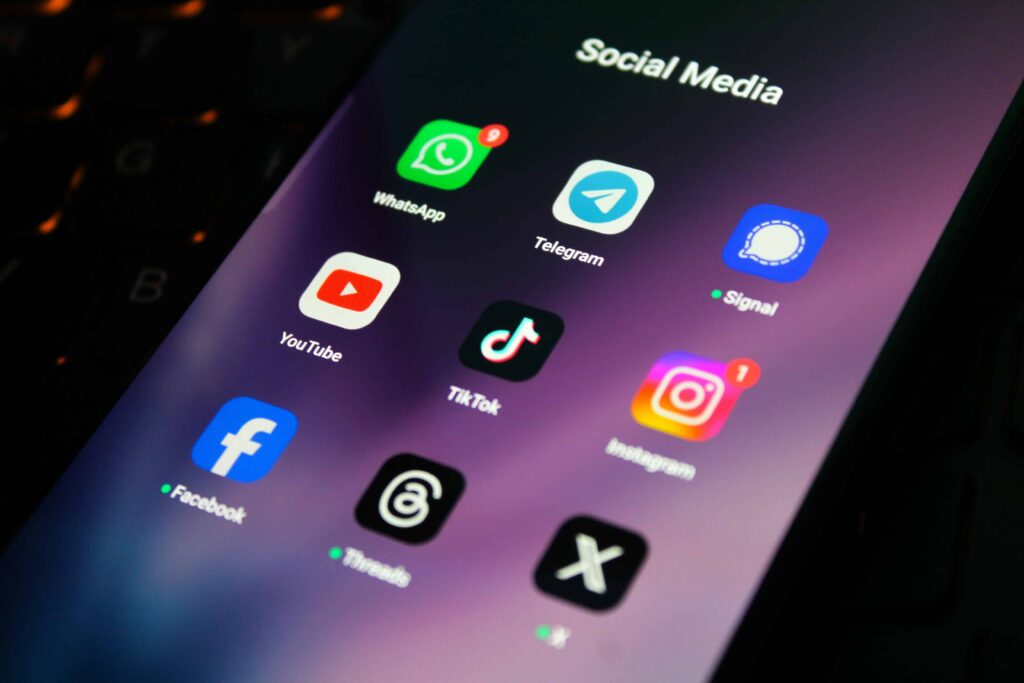
Removing posts after becoming aware of a claim or lawsuit may constitute spoliation of evidence. Spoliation means the destruction or alteration of material that a party knew or should have known was relevant to anticipated or ongoing legal proceedings. Texas courts take this seriously, and the consequences reach beyond the deleted content itself.
When a court finds that a party destroyed relevant evidence, it may impose sanctions that directly affect the case. The most significant remedy in a jury trial is an adverse inference instruction, where the judge tells the jury they may assume the deleted material would have been unfavorable to the person who removed it. That instruction may carry more weight than the original post ever would have.
Social Media Behaviors That May Harm a Texas Personal Injury Claim
Beyond direct deletion, a range of online behaviors create problems in active injury cases. The following missteps come up regularly in personal injury claims across Texas:
- Removing tagged photos posted by friends or family that show physical activity after the accident date
- Blocking or removing connections in ways that courts may view as an attempt to limit what the defense may access through public-facing accounts
- Posting about the status of the case, settlement discussions, or opinions about the at-fault party, all of which may complicate the legal process
- Allowing friends or family to tag you in locations or activities without reviewing whether that content creates inconsistencies with your reported limitations
Social media activity after an accident is never truly neutral once a claim is in motion. Posts that seem harmless in the moment may carry real weight when a defense attorney brings them into a deposition or presents them to a jury months down the road.
How NMW Law Advises Clients on Social Media During Texas Injury Claims
Managing social media during an injury case is not something most people think about when they first contact an attorney. NMW Law addresses it directly and early, because the decisions a client makes online in the weeks and months after an accident may affect the outcome of their case just as much as the medical evidence does.
The firm counsels clients across Houston, El Paso, and throughout Texas on how to protect their claims from digital evidence problems before those problems take root. That guidance starts at the first consultation and runs through resolution.
How NMW Law Protects Clients From Social Media Risks in Texas Injury Cases
The overlap between social media and personal injury claims requires clear, practical guidance rather than vague caution. NMW Law works with clients to address the following risks directly:
- Reviewing existing social media content with the client to identify any posts, photos, or check-ins that the defense may attempt to use against the claim
- Advising on what categories of future posts carry risk during an active claim, including wellness updates, travel photos, and activity-based check-ins
- Explaining the legal boundaries around account deactivation and content removal so clients do not inadvertently create a spoliation problem
- Monitoring for any defense requests or subpoenas seeking social media records so the firm may respond appropriately within the discovery process
- Preparing clients for deposition questions about their online activity, which defense attorneys regularly include in personal injury depositions
Online activity does not exist separately from a case once a claim is filed. Every post, comment, and location tag becomes part of the record that both sides may examine, and knowing that changes how carefully a client needs to approach their online presence throughout the process.
FAQs for Social Media Evidence Personal Injury in Texas
Can defense attorneys access my social media accounts during a Texas injury lawsuit?
Yes. Public posts are accessible without any legal process. Private posts may be requested through formal discovery, and Texas courts have ordered plaintiffs to produce private social media content when the requesting party demonstrated relevance to the injury claims. A subpoena directed at the platform itself may also capture data the user deleted, if the platform retained it on its servers.
What types of social media posts are most likely to hurt a Texas personal injury claim?
Posts that show physical activity inconsistent with the claimed injuries carry the greatest risk. Photos at events, check-ins at gyms or travel destinations, and status updates describing the plaintiff as feeling well or resuming normal activity may all be used by the defense to challenge injury severity. Content posted by friends that tags the plaintiff in active situations may also appear in the case if it conflicts with the medical evidence.
Is it safe to delete social media posts after a car accident in Texas?
Deleting posts after becoming aware of a claim or lawsuit may constitute spoliation of evidence under Texas law. Courts may sanction plaintiffs who destroy relevant evidence by instructing juries to draw negative inferences from the missing content. Before removing any posts related to your activities, health, or the accident itself, speaking with your attorney about the legal risks is the most protective step available.
Can I make my social media accounts private after an accident to protect my case?
Switching from public to private after an accident does not retroactively protect content that was already visible, and it does not shield private posts from production through formal discovery once a lawsuit is filed. Platforms may also produce archived data in response to a subpoena regardless of current privacy settings. Account privacy reduces casual visibility but does not create legal protection during active proceedings.
What should I post, if anything, on social media during an active Texas injury claim?
The safest position is to pause social media activity entirely while your claim is active and to consult your attorney before posting anything related to your health, daily routine, or the accident. If you do continue posting, avoid content that suggests physical capacity beyond what your injuries allow, any reference to the case or legal proceedings, and anything a defense team might use to portray your injuries as less significant than your medical records reflect.
Protect Your Texas Personal Injury Claim From Social Media Evidence Risks

Defense teams are not waiting for trial to evaluate your case. They are watching your accounts, building timelines, and looking for anything that complicates the story your medical records tell. That process starts early and runs quietly in the background of most Texas personal injury claims, which means the time to think about your online presence is now, not after a deposition request arrives.
If you have questions about how social media activity may affect your injury claim, speaking with a Texas personal injury attorney may help you understand the risks specific to your situation. NMW Law works with injured clients throughout Houston and El Paso to navigate every dimension of the claims process, including the digital elements most people overlook until they matter. Reach out today for a free consultation.
Get a Free Consultation