Being injured by a drunk driver can leave you dealing with more than physical harm. Many people also face unexpected medical bills, time away from work, and the emotional impact of knowing the crash could have been prevented.
In situations like these, the legal concept of gross negligence drunk driving Texas law recognizes may become important. When a driver's behavior goes beyond ordinary carelessness and shows a conscious disregard for the safety of others, Texas law may allow injured victims to pursue additional damages beyond standard compensation.
Understanding how gross negligence works in Texas drunk driving cases can help clarify what legal options may exist after a serious crash. The sections below explain how Texas law defines gross negligence, how it applies to intoxicated driving, and when exemplary damages may become part of a civil injury claim.
If you or someone you love was harmed by an impaired driver, learning how these legal standards apply may help you better understand the path forward and whether discussing the situation with a Texas personal injury attorney could be helpful.
Key Takeaways About Gross Negligence and Drunk Driving in Texas
- Texas law defines gross negligence as conduct involving an extreme degree of risk combined with a conscious indifference to the rights, safety, or welfare of others, a standard that drunk driving may satisfy in the right circumstances.
- Exemplary damages, which Texas courts use to punish particularly reckless conduct, may be available in drunk driving injury cases where gross negligence is proven by clear and convincing evidence.
- A criminal DWI conviction is not required to pursue exemplary damages in a civil lawsuit; the civil and criminal cases operate under different standards of proof.
- Texas places specific procedural requirements on exemplary damage claims, including a higher burden of proof than standard negligence, which makes thorough documentation of the driver's conduct a central part of the case.
- Dram shop liability under Texas law may extend gross negligence claims beyond the driver to a bar or establishment that served them alcohol while they were visibly intoxicated.
What Does Gross Negligence Mean Under Texas Law?
Texas Civil Practice and Remedies Code Section 41.001 defines gross negligence as an act or omission that involves an objective extreme degree of risk, considering the probability and magnitude of the potential harm to others, combined with the actor's subjective awareness of that risk and conscious indifference to the rights, safety, or welfare of others. Both elements must be present for gross negligence to apply.
The first element is objective. A court asks whether the conduct created an extreme risk of harm, measured by what a reasonable person in the same situation would have recognized.
The second element is subjective. It asks whether the defendant personally knew about the risk and chose to proceed anyway, not out of ignorance, but out of indifference.
Why Drunk Driving May Satisfy the Gross Negligence Standard in Texas
Intoxicated driving is one of the clearest examples of conduct that may meet both elements of the gross negligence definition. The risk created by driving while impaired is not subtle or hidden. Every driver in Texas receives instruction on the dangers of alcohol before they receive a license, and every adult is aware that drunk driving causes serious injuries and deaths.
When a person drinks to the point of impairment, knows they are impaired, and chooses to drive anyway, the argument that they were subjectively unaware of the risk they created becomes very difficult to sustain. Courts in Texas have found gross negligence in drunk driving cases where the evidence showed the driver had a high BAC, prior DWI history, or other indicators of conscious risk-taking, though the outcome always depends on the specific facts presented.
What Are Exemplary Damages and How Do They Apply in Texas Drunk Driving Cases?
Exemplary damages, also called punitive damages, are a form of financial award that goes beyond compensating the victim for their actual losses. Texas law allows exemplary damages when a plaintiff proves by clear and convincing evidence that the defendant's conduct constituted fraud, malice, or gross negligence. In drunk driving injury cases, gross negligence is typically the applicable theory.
Clear and convincing evidence is a higher standard than the preponderance of evidence used for standard negligence claims. It requires the party seeking exemplary damages to show that the evidence of gross negligence is highly probable, not merely more likely than not. That higher bar makes the quality of evidence gathered in the case directly relevant to whether exemplary damages may be pursued at all.
How Texas Law Limits and Structures Exemplary Damage Awards in Injury Cases
Texas does not allow unlimited exemplary damages awards. Under Texas Civil Practice and Remedies Code Section 41.008, exemplary damages are capped at the greater of two times the amount of economic damages plus an amount equal to non-economic damages up to $750,000, or $200,000. These caps shape the strategy behind pursuing exemplary damages and reinforce why a thorough economic and non-economic damages case matters alongside the gross negligence claim.
The following factors typically influence whether exemplary damages may be pursued and at what value in a Texas drunk driving case:
- The driver's blood alcohol concentration at the time of the crash, with higher BAC levels supporting a stronger showing of extreme risk
- Prior DWI convictions or alcohol-related incidents that demonstrate awareness of the risk of impaired driving
- The circumstances surrounding the driver's decision to drive, including how much they drank, over what period, and what warnings they received
- The severity of the injuries caused, which affects both the compensatory damages base and the ceiling for any exemplary award
Exemplary damages are not a windfall. They are a legal tool Texas created to deter particularly reckless behavior by placing a financial consequence on conduct that goes well beyond ordinary negligence.
How Does Dram Shop Liability Connect to Gross Negligence in Texas Drunk Driving Cases?
When a bar, restaurant, or other alcohol-serving establishment provides drinks to a person who is obviously intoxicated, and that person later causes a crash, the establishment may face civil liability under the Texas Dram Shop Act. This claim runs independently from the direct negligence claim against the driver and may expand the total recovery available to the injured party.
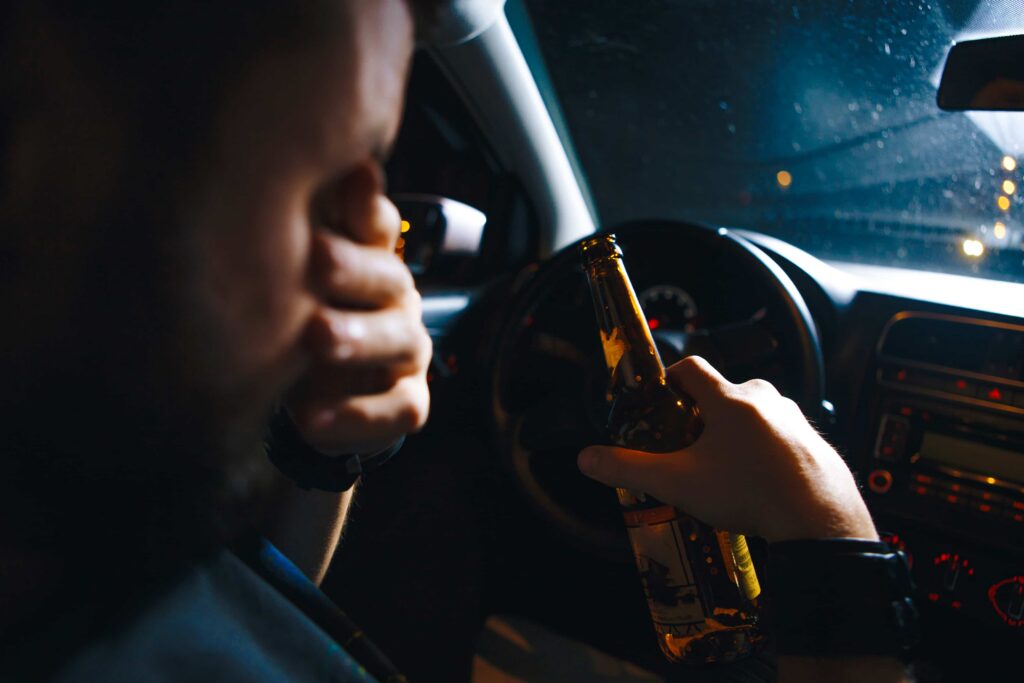
Dram shop liability in Texas does not automatically constitute gross negligence on the part of the establishment, but the facts surrounding the service of alcohol may support such a claim depending on the circumstances.
A bar that continued serving a visibly impaired customer who then caused a serious crash on a Houston highway or El Paso street may face both direct liability and, in egregious cases, an argument for gross negligence based on the same conscious indifference standard.
Evidence That May Support a Gross Negligence Claim Against a Dram Shop in Texas
Building a gross negligence claim against an alcohol provider requires evidence of what the establishment knew about the patron's condition before they left. Relevant evidence in these cases often includes:
- Surveillance footage from inside the establishment showing the patron's visible level of intoxication before they were served additional alcohol
- Server or bartender testimony, statements, or training records that speak to what the staff observed and how they responded
- Point-of-sale records showing the volume and timing of alcohol purchases at the establishment on the night of the crash
- Prior citations, complaints, or TABC violations involving the establishment's alcohol service practices
Dram shop claims often provide access to insurance coverage and financial resources that are separate from and potentially larger than what the individual driver carries. Pursuing both claims simultaneously may produce a significantly broader recovery than pursuing the driver alone.
How NMW Law Pursues Gross Negligence Claims After Drunk Driving Crashes in Texas
A drunk driving injury case is not the same as a standard car accident claim, and NMW Law approaches them accordingly. When a driver chose to get behind the wheel while intoxicated, that decision reflects more than a lapse in judgment; it reflects a conscious disregard for everyone else on the road. The firm investigates every dimension of the driver's conduct to determine whether the facts support a gross negligence claim alongside the standard negligence case.
NMW Law handles drunk driving injury cases across Houston, El Paso, and throughout Texas. From the initial evidence review through trial preparation, the team works to build a record that reflects the full weight of what happened and who bears responsibility for it.
How NMW Law Builds Gross Negligence Claims in Texas Drunk Driving Cases
Establishing gross negligence requires more than showing the driver was intoxicated. It requires a factual record that demonstrates conscious indifference to the risk of harm. The approach NMW Law takes in these cases includes:
- Obtaining the driver's blood alcohol concentration records, toxicology reports, and any field sobriety test documentation from the criminal case
- Reviewing the driver's conduct before the crash, including evidence of prior DWI offenses, how much they drank, and whether they had been warned about their condition
- Investigating where the driver obtained alcohol to assess potential dram shop liability under the Texas Alcoholic Beverage Code
- Documenting the full scope of the victim's injuries to support both compensatory and exemplary damages claims
- Preserving all physical, digital, and testimonial evidence before it becomes unavailable through the passage of time
Gross negligence is a demanding legal standard, and building a case that meets it requires thorough preparation from the earliest stages of the claim.
FAQs for Gross Negligence Drunk Driving Texas
What is the difference between negligence and gross negligence in a Texas drunk driving case?
Standard negligence means a person failed to act with reasonable care. Gross negligence requires more: it involves conduct that created an extreme degree of risk combined with the actor's conscious awareness of that risk and deliberate indifference to the safety of others. In drunk driving cases, the driver's decision to operate a vehicle while knowingly impaired may satisfy both elements of gross negligence under Texas law.
Can I pursue punitive damages after a drunk driving crash in Texas?
Possibly. Texas law allows exemplary damages, sometimes called punitive damages, when a plaintiff proves by clear and convincing evidence that the defendant acted with gross negligence, malice, or fraud. In drunk driving injury cases, gross negligence is the most common basis for an exemplary damages claim. The strength of that claim depends on the specific facts, including the driver's BAC, prior history, and the circumstances of their decision to drive.
Does a criminal DWI conviction affect a civil gross negligence claim in Texas?
A criminal conviction may be used as evidence in the civil case, but it is not required to pursue a gross negligence or exemplary damages claim. Civil and criminal proceedings operate under different standards of proof. A driver may be acquitted in a criminal case and still face civil liability for gross negligence, because the civil standard requires only clear and convincing evidence rather than proof beyond a reasonable doubt.
What is dram shop liability and how does it relate to a drunk driving injury case in Texas?
Dram shop liability holds alcohol providers responsible when they serve a visibly intoxicated person who later causes injury to a third party. In Texas, this claim arises under the Texas Alcoholic Beverage Code and may run alongside a direct negligence or gross negligence claim against the driver. Establishing dram shop liability may open access to additional sources of compensation beyond the driver's individual insurance policy.
How long do I have to file a gross negligence claim after a drunk driving crash in Texas?
Most personal injury claims in Texas, including gross negligence claims arising from drunk driving crashes, fall under the two-year statute of limitations set by Texas Civil Practice and Remedies Code Section 16.003. Filing a claim against a dram shop follows the same general deadline. Acting promptly after an accident preserves evidence, protects witnesses, and gives an attorney the time needed to build the strongest possible case.
Pursue Full Accountability for Gross Negligence in Your Texas Drunk Driving Case

A driver who chose to drink and drive did not make a mistake. They made a decision, and Texas law reflects that distinction by giving courts a way to hold them to a higher standard of accountability than ordinary negligence allows. Exemplary damages exist precisely because some conduct warrants more than compensation; it warrants a consequence.
NMW Law takes drunk driving injury cases seriously as a matter of principle. The firm pursues every available theory of recovery, from compensatory damages to gross negligence claims to dram shop liability, and builds each case on a factual record strong enough to withstand scrutiny at every stage.
If you were hurt by an intoxicated driver in Houston, El Paso, or anywhere in Texas, reach out today for a free consultation. NMW Law takes care of everything so you may focus on what comes next.