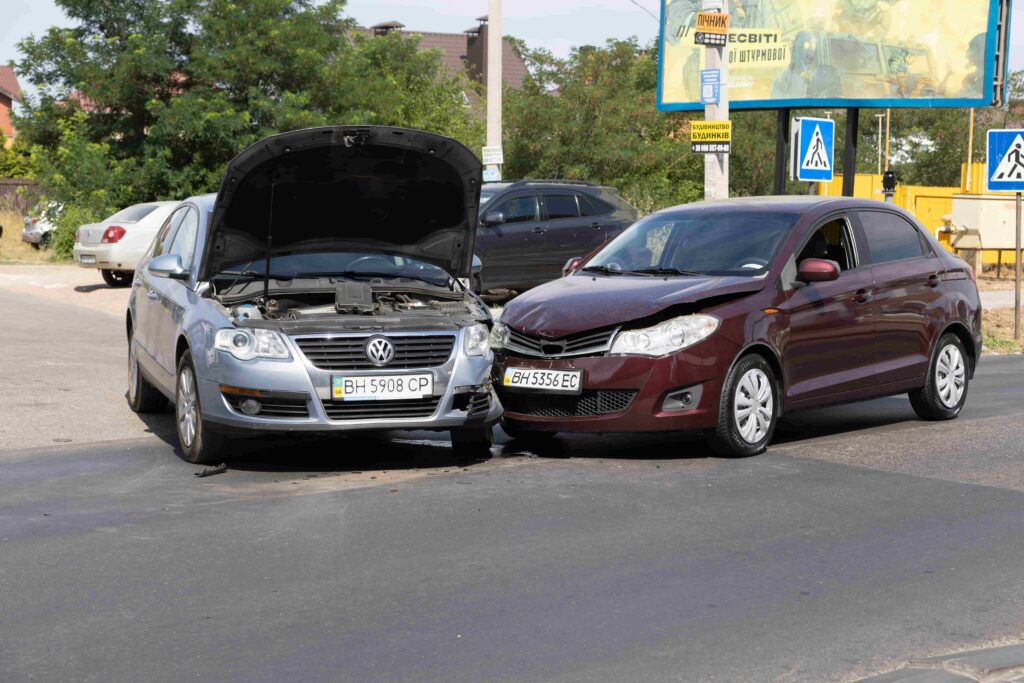
An uninsured motorist claim is often the last issue anyone expects to confront after a Houston car accident. Even when you maintain proper insurance coverage and follow traffic laws, you may still suffer serious injuries because another driver chose to operate a vehicle without liability insurance. Unfortunately, this situation is more common on Houston roads than many people realize, leaving injured drivers uncertain about how they will recover financially after the crash.
Texas law requires insurance companies to offer uninsured and underinsured motorist coverage with auto policies. When the driver responsible for the collision has no insurance or carries limits that are too low to cover the damage they caused, this coverage may allow you to pursue compensation through your own policy.
Understanding how UM and UIM coverage works under Texas law can help you evaluate your options after a Houston accident involving an uninsured or underinsured driver.
Get a Free ConsultationKey Takeaways About Uninsured Motorist Claims in Houston Texas
- Texas law requires auto insurers to offer uninsured and underinsured motorist coverage, though drivers may reject it in writing, making it important to review your current policy before assuming you have it.
- An uninsured motorist claim is filed against your own insurance policy when the at-fault driver carries no liability coverage at all.
- An underinsured motorist claim applies when the at-fault driver has coverage, but their policy limits are too low to cover your full losses.
- Your own insurance company has a financial interest in minimizing your UM or UIM payout, which means they may dispute fault, challenge your injuries, or push a low settlement even though you are their policyholder.
- Texas law sets a two-year statute of limitations for most uninsured motorist claims, though your policy may impose additional notice requirements that apply on a shorter timeline.
What Is Uninsured Motorist Coverage and How Does It Work in Texas?

Uninsured motorist coverage, commonly called UM coverage, pays for your injuries and damages when the driver who caused the accident carries no liability insurance. Under Texas Insurance Code Section 1952.101, insurance companies must offer UM coverage to every policyholder in Texas. Drivers may reject this coverage in writing, but without a signed rejection on file, it is automatically included in the policy.
UM coverage steps in where the at-fault driver's insurance leaves off, which in a no-coverage situation means it becomes the primary source of financial recovery. Whether it covers bodily injury only or property damage as well depends on the specific terms of your policy.
What Uninsured Motorist Coverage in Texas Typically Pays For
UM coverage in Texas may compensate you for many of the same categories of loss you would pursue in a direct liability claim against an insured driver. Knowing the scope of your coverage before you accept any offer from your insurer gives you a stronger position in the claims process. Recoverable losses under a UM policy generally include:
- Medical expenses for treatment tied to the accident, including emergency care, surgery, and ongoing rehabilitation
- Lost wages when your injuries prevent you from returning to work during your recovery
- Pain and suffering and other non-economic damages, depending on the terms of your specific policy
- Property damage in cases where your policy includes uninsured motorist property damage coverage
UM coverage has a ceiling. The maximum payout is capped at your policy limits, which is why the amount of coverage you carry matters most when a serious injury is involved. A policy review before a crash happens is always worth the time.
What Is the Difference Between UM and UIM Coverage in a Texas Car Accident Claim?
Uninsured motorist coverage and underinsured motorist coverage address two different situations, though they are typically sold together. UM coverage applies when the at-fault driver has no liability insurance at all. UIM coverage applies when the at-fault driver has insurance, but their limits are not high enough to cover your full damages.
Texas requires insurers to offer both types of coverage, and the state's minimum liability limits under Texas Transportation Code Section 601.072 are relatively modest. A driver carrying only the minimum may leave a substantial gap in your recovery after a serious crash on any Houston-area road, from the I-10 corridor to Highway 288 to Beltway 8.
How Underinsured Motorist Coverage Closes the Gap After a Houston Crash
When the at-fault driver's policy pays out at its limit and that amount still falls short of your actual losses, UIM coverage activates to cover the remaining difference up to your own policy limit.
The calculation is based on the gap between what the at-fault driver's insurer paid and the total documented value of your damages, not simply the spread between their limit and yours. That distinction often affects UIM settlement negotiations.
Texas UIM claims frequently involve disputes over the total value of your losses, because your insurer has an interest in narrowing that gap as much as possible. Medical records, wage documentation, and physician opinions on future care all directly influence how that dispute plays out.
Does Texas Allow You to Stack Uninsured Motorist Coverage?
Stacking refers to combining UM or UIM coverage limits from multiple policies, such as separate policies on different vehicles in the same household, to increase the total available compensation. In Texas, whether stacking is permitted depends on the specific policy language rather than a uniform statewide rule.
Some Texas policies block stacking through explicit anti-stacking clauses. Others do not address it directly, which may create an argument for combining limits depending on how courts have read comparable policy language. If you have multiple vehicles or multiple policies in your household, a policy review may reveal coverage options that are not visible on the surface.
Factors That Affect UM and UIM Recovery in a Houston Car Accident Case
Several variables shape how much a policyholder may recover through a UM or UIM claim in Texas. These factors frequently become the center of disputes between injured drivers and their own insurers:
- The total UM and UIM policy limits in place at the time of the accident, which cap the maximum available recovery regardless of the size of your damages
- Whether your policy includes an offset provision that reduces your UIM payout by the amount the at-fault driver's carrier already paid
- Whether multiple household policies may be combined based on the anti-stacking language present in each
- The quality and completeness of the documentation supporting your damages, including medical records, wage loss verification, and treating physician opinions on future needs
Insurance policies are contracts with specific terms, and those terms govern what your insurer owes you. A thorough policy review at the start of a UM or UIM claim routinely uncovers coverage options, offset provisions, and exclusions that directly affect the final recovery amount.
How NMW Law Handles Uninsured and Underinsured Motorist Claims in Houston
Discovering that the driver who caused your accident carries no insurance puts your recovery in an entirely different position.
NMW Law helps Houston-area accident victims work through that obstacle by identifying all available coverage, analyzing policy language, and managing the claim process from intake through resolution. The firm recognizes that UM and UIM claims carry a different dynamic than standard third-party claims, because your own insurer sits across the table rather than an opposing party's carrier.
Before any demand goes out, NMW Law reviews every policy touched by the accident, including personal auto coverage, household member policies, and any applicable umbrella coverage, to map the full recovery picture.
What NMW Law Does When the At-Fault Driver Has No Insurance
Handling a UM or UIM claim without legal representation puts you at a disadvantage the moment you pick up the phone with your insurer. NMW Law steps into that process with a structured approach designed to protect your claim and your rights:
- Verifying the at-fault driver's insurance status through official records and the police report to confirm whether a UM or UIM claim applies
- Reviewing your auto policy in detail to identify all applicable coverage, limits, and any exclusions the insurer may try to invoke
- Documenting your injuries, treatment records, and financial losses to build a complete damages package before any settlement discussions begin
- Handling all communications with your insurance company to prevent recorded statements or admissions that may be used to reduce your payout
- Filing any required notice of claim within the timeframes your policy specifies to protect your right to coverage
Your own insurance company is not a neutral party in a UM or UIM dispute. They are managing a financial exposure, and their goal is to pay as little as the policy language permits. Legal representation shifts that dynamic and puts a focused advocate between you and that process.
FAQs for Uninsured Motorist Claims in Houston, Texas
What should I do after a Houston car accident if the other driver has no insurance?
Once you are safe and have received medical attention, notify your own auto insurance company of the accident promptly, since most policies carry reporting requirements. Avoid giving a recorded statement to your insurer before speaking with an attorney, as those statements may be used to limit your payout. Gathering documentation of your injuries, treatment, and the circumstances of the accident strengthens your UM claim from day one.
Does Texas require drivers to carry uninsured motorist coverage?
Texas law does not require drivers to carry UM or UIM coverage, but it does require insurers to offer it with every auto policy. Drivers may decline it through a signed written rejection. Without that rejection on file, UM and UIM coverage is included in the policy by default. Checking your declarations page confirms whether the coverage is active and at what limits.
What is the statute of limitations for an uninsured motorist claim in Texas?
Most UM and UIM claims in Texas fall under the general two-year statute of limitations for personal injury claims. Your insurance policy may also impose its own internal notice and filing deadlines that are shorter than the legal cutoff. Missing an internal policy deadline may give your insurer grounds to deny the claim entirely. Speaking with an attorney shortly after the accident protects both your legal rights and your contractual rights under the policy.
Can my own insurance company deny or dispute a UM or UIM claim?
Yes. Your insurer may challenge the at-fault driver's uninsured status, dispute the severity of your injuries, argue that your damages do not exceed the at-fault driver's policy limits in a UIM case, or apply policy exclusions to reduce or deny the payout. Insurance companies handling these claims carry the same financial incentives to minimize costs as any other insurer, and those disputes require thorough preparation and documentation.
What happens if the driver who hit me fled the scene and I never got their information?
A hit-and-run accident may qualify as an uninsured motorist claim under Texas law, depending on your policy language. Most UM policies include hit-and-run scenarios within their definition of an uninsured motorist. You may need to satisfy certain policy requirements and report the accident to law enforcement to preserve your right to make a hit-and-run UM claim. A policy review with an attorney clarifies what your insurer requires in that situation.
Take Action on Your Uninsured Motorist Claim in Houston With NMW Law
There is a particular frustration that comes with being seriously injured by someone who carried no insurance, and then being told by your own insurer that your claim is worth less than you know it to be. Texas law created UM and UIM coverage specifically to protect people in exactly that position, but collecting what your policy owes you still takes work.
NMW Law represents Houston-area accident victims in UM and UIM claims with the same preparation and persistence the firm brings to every case it takes on. The team reads the policy, documents the full scope of the damages, and holds the insurer accountable for what the coverage actually provides. Reach out today for a free consultation. NMW Law takes care of everything so you may focus on getting better.
Get a Free Consultation